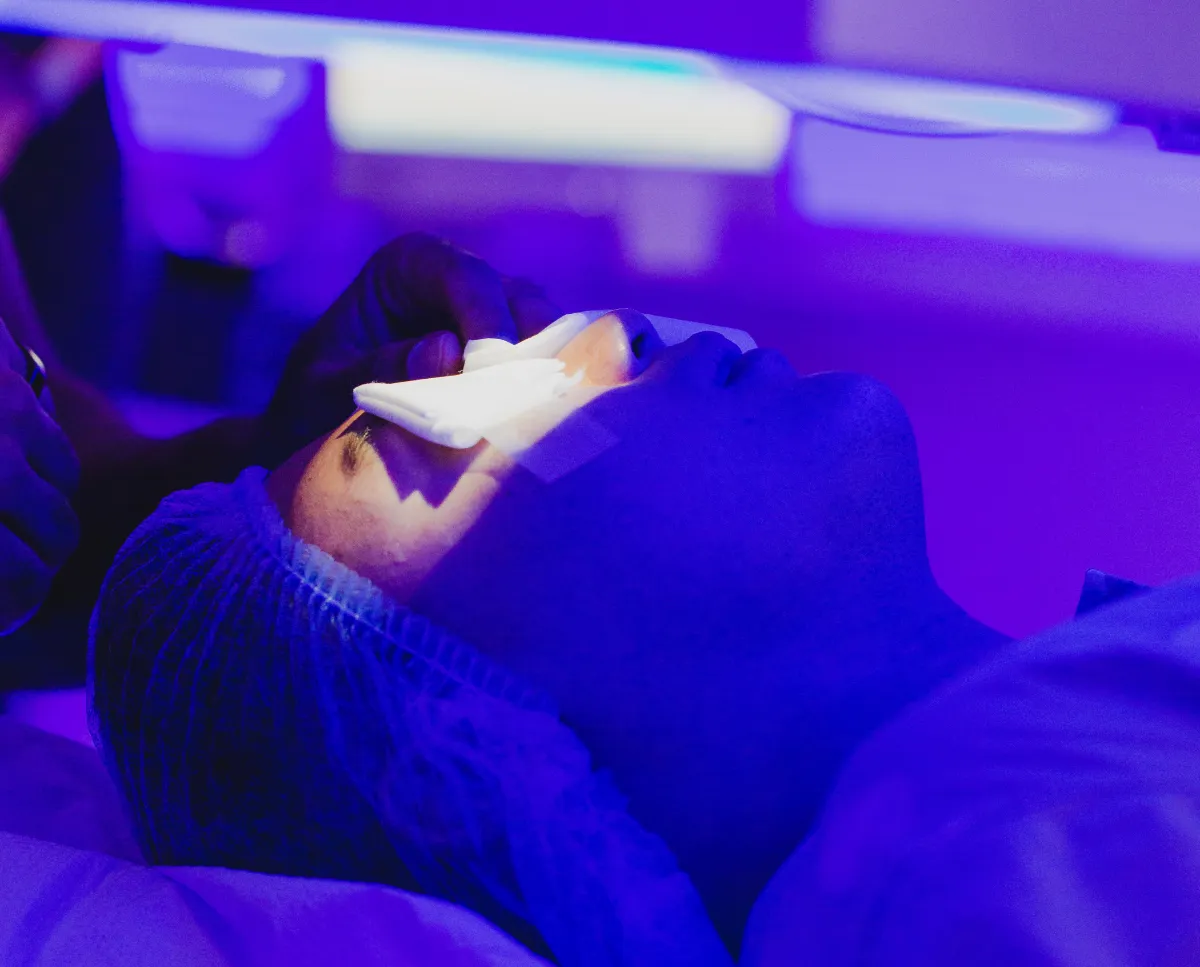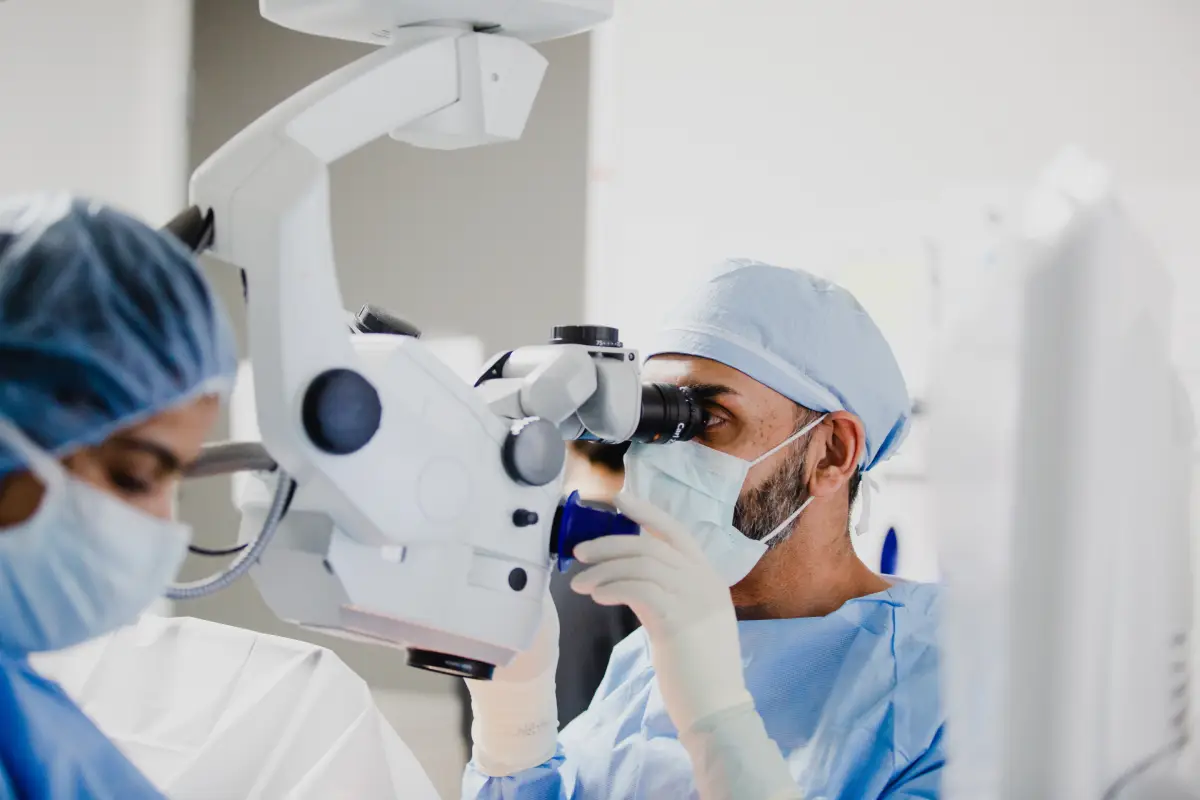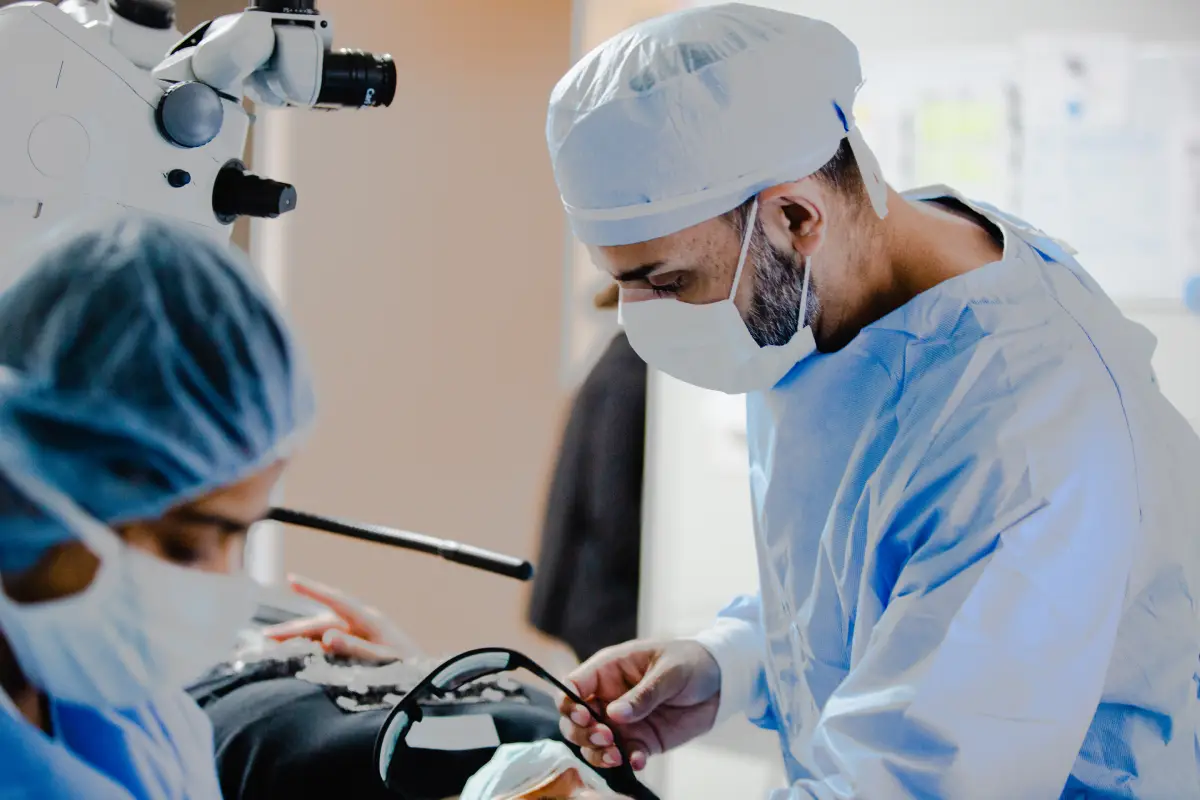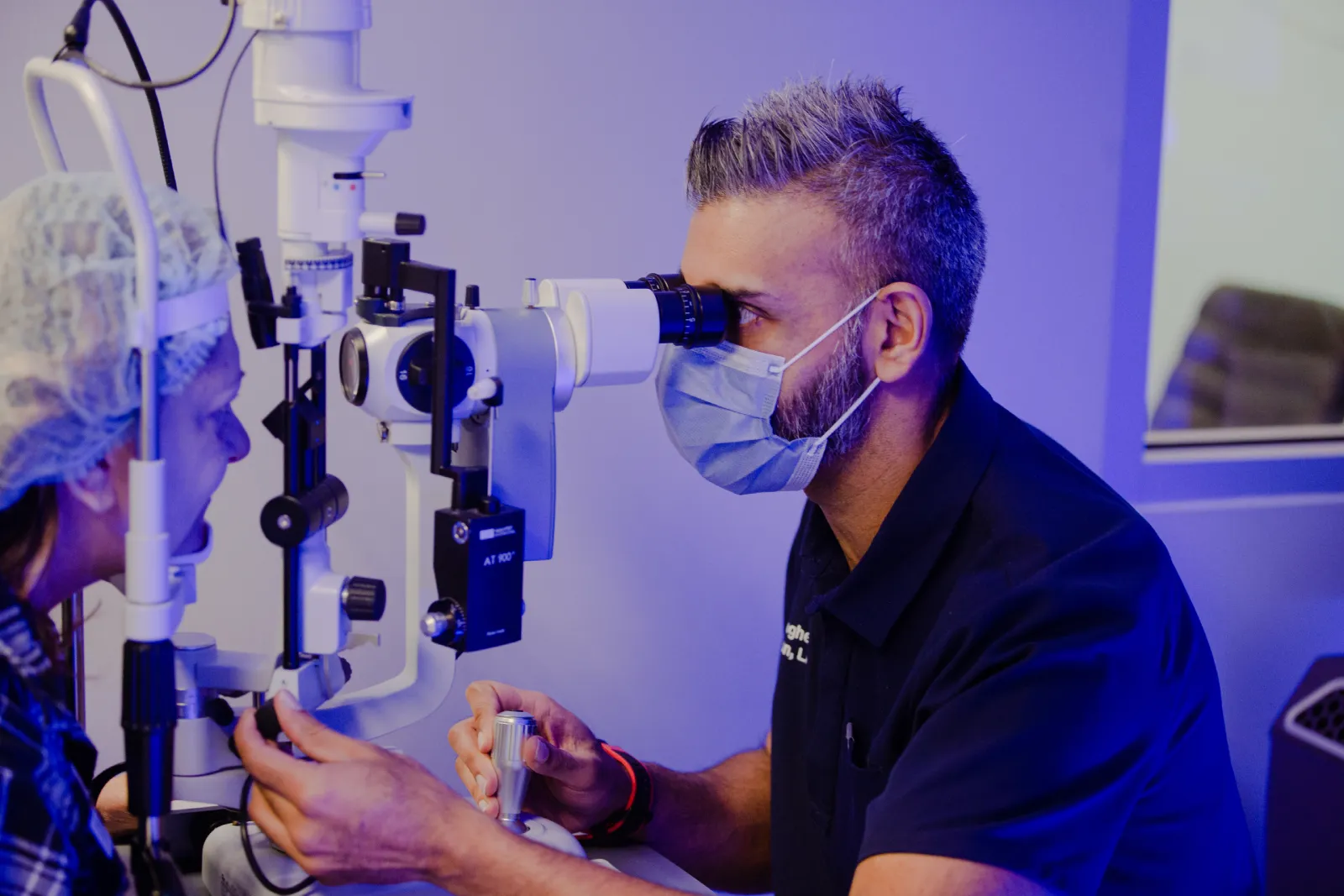
PRK may be considered for some people whose corneas are too thin or otherwise less suitable for LASIK. PRK does not require a corneal flap, so the way it reaches and reshapes the cornea differs from LASIK.
However, thin corneas do not automatically make someone a PRK candidate. Corneal thickness, shape, strength, prescription and the amount of tissue required for correction must all be assessed.
Some corneas are too thin or structurally unsuitable for any corneal laser procedure. A detailed examination is the only safe way to understand the available options.
Why does corneal thickness matter?
Laser vision correction changes the focusing power of the eye by reshaping corneal tissue. The cornea must retain enough healthy, stable tissue after treatment.
Corneal thickness matters because it influences:
- How much tissue is available for correction.
- How much tissue the planned prescription may require.
- The expected remaining corneal structure.
- Whether a flap-based procedure can be considered.
- Whether signs of corneal weakness are present.
- Whether another procedure may be more appropriate.
A prescription that seems mild can still require careful planning when the cornea is thin or irregular.
What is considered a thin cornea?
There is no single thickness number that can confirm or deny candidacy for every patient. A measurement must be interpreted alongside the complete shape and health of the cornea.
The assessment may consider:
- Central corneal thickness.
- Thickness across different parts of the cornea.
- Corneal curvature.
- Corneal symmetry and regularity.
- The amount and type of refractive error.
- The planned treatment zone.
- Estimated tissue remaining after treatment.
- Signs of keratoconus or another corneal disorder.
Two people with the same thickness can receive different conclusions because their prescriptions and corneal maps are different.
Why can thin corneas affect LASIK candidacy?
LASIK eye surgery involves creating a thin corneal flap before the excimer laser reshapes the underlying tissue. Both the flap and planned correction must be considered when evaluating the remaining corneal structure.
LASIK may be less suitable when:
- The cornea cannot safely support flap creation.
- The prescription requires substantial tissue reshaping.
- Corneal mapping shows concerning irregularity.
- The estimated remaining tissue is insufficient.
- The cornea shows signs of weakness.
- Another eye condition increases risk.
Being “too thin for LASIK” does not automatically mean PRK is safe. It means another assessment and a different treatment discussion are needed.
Why may PRK be considered for thin corneas?
PRK eye surgery treats the cornea through its surface and does not create a corneal flap. This changes the amount and arrangement of tissue involved in reaching the treatment area.
PRK may be discussed because:
- No LASIK flap is created.
- A different amount of corneal tissue may be involved.
- More structural tissue may be preserved in some treatment plans.
- It may suit certain prescriptions and corneal measurements.
- It may be considered when LASIK measurements are less favourable.
These are possible considerations, not promises. PRK still removes corneal tissue and requires sufficient structural stability.
Does PRK use less corneal tissue than LASIK?
PRK avoids the tissue requirements associated with creating a LASIK flap. However, both procedures use an excimer laser to remove a planned amount of corneal tissue.
The actual amount depends on:
- Prescription strength.
- Type of refractive error.
- Treatment-zone size.
- Corneal shape.
- Laser platform.
- Individual treatment plan.
- Whether additional correction is being considered.
It is more accurate to say that PRK uses a different surgical approach than to claim it is always tissue-saving or safer.
Can a cornea be too thin for PRK?
Yes. Some corneas may not have enough suitable tissue for the proposed PRK correction.
PRK may also be unsuitable when testing identifies:
- Keratoconus or suspected corneal ectasia.
- Significant irregularity or weakness.
- Corneal scarring or disease.
- Unstable measurements.
- A prescription requiring excessive tissue removal.
- Poor surface health.
- A condition that may affect healing.
- Unrealistic expectations.
In these situations, another vision correction procedure may be discussed, or surgery may not be appropriate.
What tests are used to evaluate thin corneas?
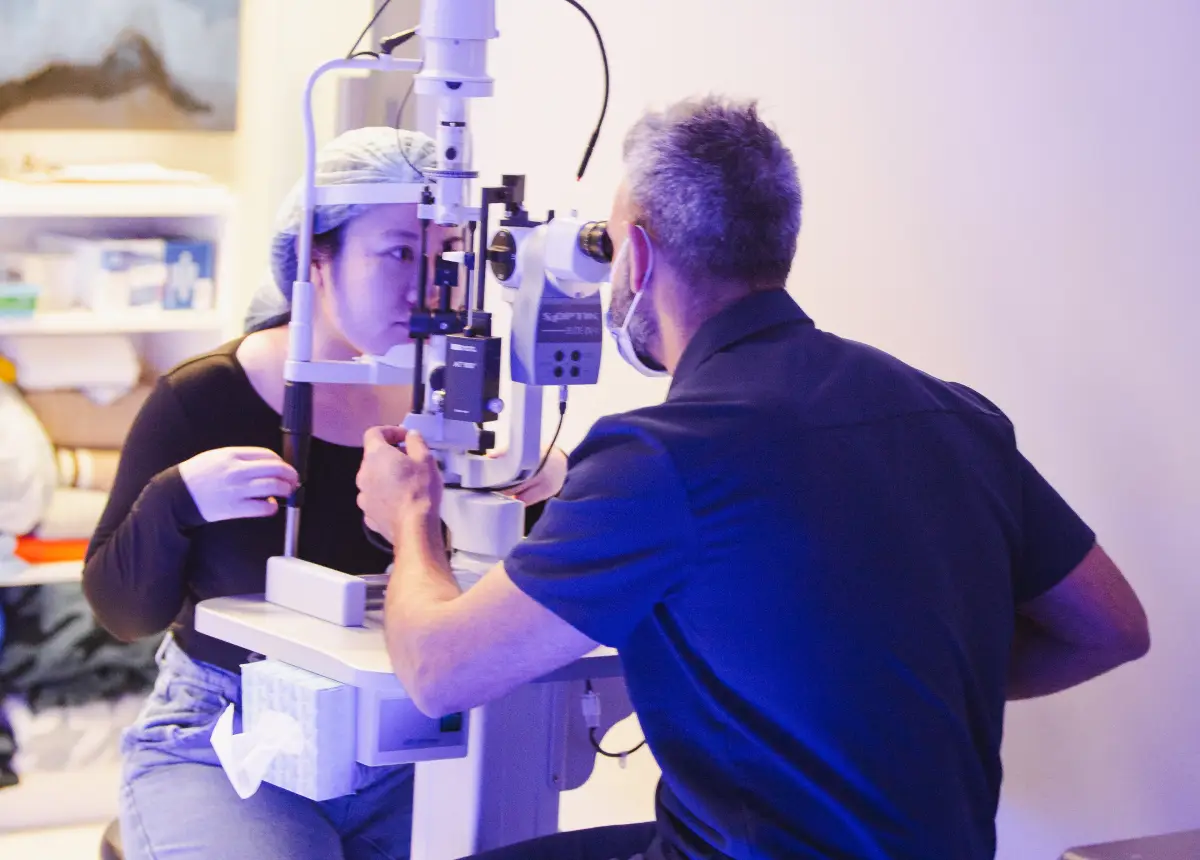
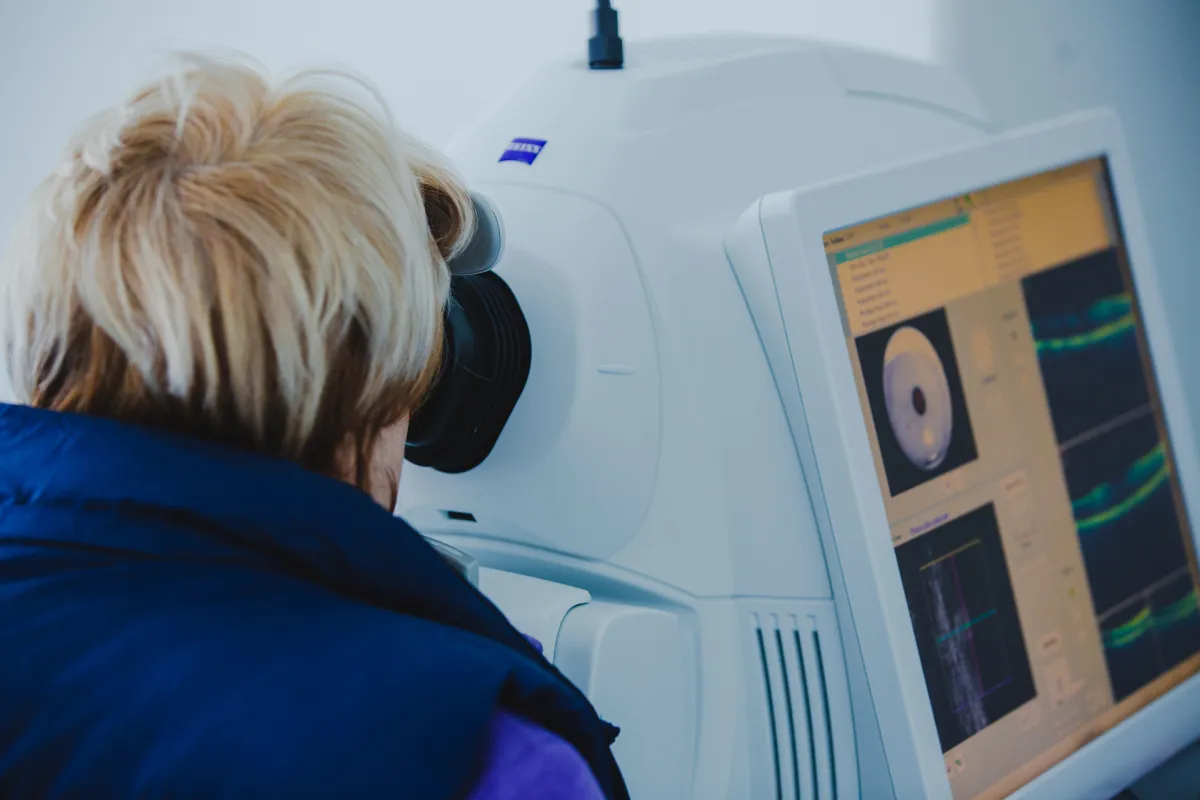
A laser vision correction assessment requires more than a standard glasses prescription. Detailed measurements help the team understand the cornea as a three-dimensional structure.
Testing may include:
- Pachymetry: Measures corneal thickness.
- Corneal topography: Maps the curvature of the front surface.
- Corneal tomography: Assesses the front and back surfaces and the distribution of thickness.
- Refraction: Measures the amount of vision correction required.
- Tear-film assessment: Checks the health and stability of the eye’s surface.
- Eye-health examination: Looks for disease or other conditions that may affect treatment.
- Prescription-history review: Confirms whether vision has remained stable.
The type of equipment and testing used may vary according to the clinic and clinical findings.
What other factors affect PRK candidacy?
Corneal thickness is important, but it is only one part of the decision. A safe treatment plan must consider the entire eye and patient.
Other factors can include:
- Age.
- Prescription stability.
- General eye health.
- Corneal shape.
- Tear-film health.
- Medical conditions.
- Medications.
- Previous eye procedures.
- Pregnancy or nursing.
- Occupation and activities.
- Recovery expectations.
- Ability to attend follow-up appointments.
Lumea’s article Is My Prescription Too High for Laser Eye Surgery? explains why prescription strength and corneal measurements must be reviewed together.
PRK vs. LASIK for Thin Corneas
PRK may be considered instead of LASIK for some thinner corneas, but neither procedure is appropriate for every patient. The comparison must be based on measured anatomy.
| Consideration | PRK | LASIK |
| Corneal flap | No | Yes |
| Access to treatment area | Surface cells are removed | A flap is created |
| Early recovery | More gradual | Usually faster |
| Corneal tissue planning | No flap requirement, but laser tissue removal still occurs | Flap and laser correction are both considered |
| Thin-cornea suitability | May be considered after detailed testing | May be limited by thickness or shape |
| Final decision | Complete assessment required | Complete assessment required |
For a broader comparison, read PRK vs. LASIK: What Is the Difference?.
What is PRK recovery like?
PRK recovery is generally slower during the early stage because the corneal epithelium must regenerate. Patients should understand this difference before choosing treatment.
Recovery may include:
- Several days of discomfort or irritation.
- A temporary bandage contact lens.
- Light sensitivity.
- Blurred or fluctuating vision.
- Time away from work and driving.
- Prescribed drops.
- Gradual visual improvement.
- Continued follow-up while vision stabilizes.
Review the PRK recovery timeline for a more detailed explanation.
What if PRK is not suitable?
A person who cannot safely undergo PRK or LASIK may still have another option. The available alternatives depend on age, prescription and the measurements inside the eye.
Possible discussions may include:
- SMILE vision correction when the prescription and corneal measurements are suitable.
- ICL surgery for certain patients whose prescription or corneal condition does not suit laser correction.
- Treatment of an eye-surface condition before repeating measurements.
- Continuing with glasses or contact lenses.
- Another procedure based on age and lens health.
- No surgery when risks outweigh possible benefits.
Not qualifying for a procedure is an important clinical conclusion, not a treatment failure.
Can dry eye affect the decision?
Dry-eye symptoms can affect measurement quality, comfort and recovery. The tear film creates part of the eye’s focusing surface, so unstable dryness can produce inconsistent vision.
The clinical team may need to:
- Identify the type and severity of dryness.
- Examine the eyelids and oil glands.
- Stabilize the eye’s surface.
- Repeat important measurements.
- Compare how different procedures could affect symptoms.
- Delay treatment when necessary.
Learn more in Can I Get LASIK If I Have Dry Eyes?.
The bottom line
PRK may be considered when thin or irregular corneas make LASIK less suitable because PRK does not create a corneal flap. However, it still removes corneal tissue and cannot safely treat every thin cornea.
Corneal thickness must be interpreted together with corneal shape, prescription, eye health and the proposed treatment plan. A detailed assessment is more useful than trying to qualify yourself using one measurement.
Request a consultation with Lumea to learn which vision correction options may be appropriate for your eyes.
Frequently asked questions
These answers address common questions about PRK and thin corneas. They cannot establish individual candidacy.
Only detailed testing can determine whether the cornea can support treatment.
Can I have PRK if I was told my corneas are too thin for LASIK?
Possibly, but not always. PRK may be considered because it does not require a LASIK flap, but the cornea must still have enough healthy tissue for the planned correction.
Is PRK always safer for thin corneas?
No. Safety depends on the complete corneal measurements and treatment plan. Some thin or irregular corneas should not undergo PRK or LASIK.
Can PRK cause corneal weakness?
Any procedure that removes corneal tissue requires careful structural planning. This is why thickness, shape and signs of corneal weakness must be assessed before treatment.
Is corneal thickness the same as prescription strength?
No. Corneal thickness describes the physical structure of the cornea. Prescription strength describes the amount of refractive correction required.
What happens if neither PRK nor LASIK is suitable?
The clinical team may discuss another procedure, continued use of glasses or contact lenses, treatment of another eye condition, or no surgery. The appropriate next step depends on the complete examination.