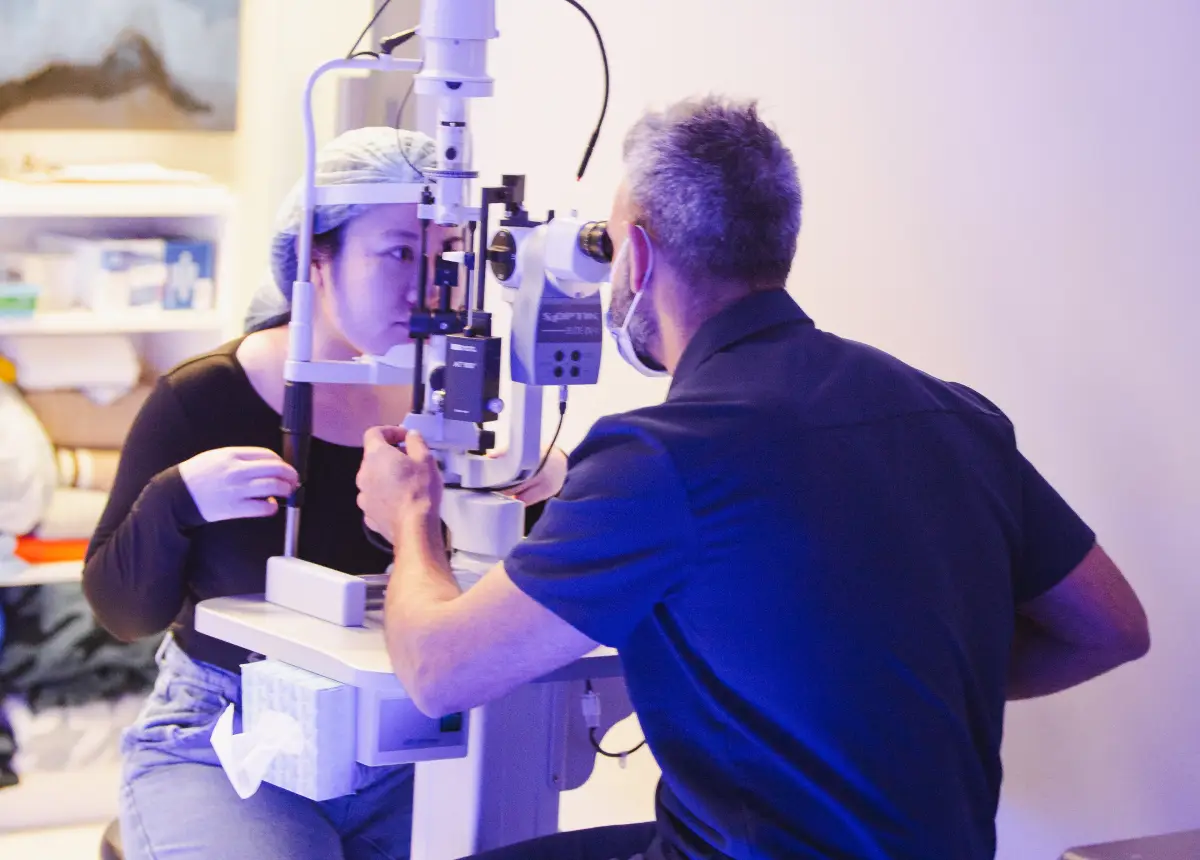
Having had LASIK does not automatically exclude someone from being assessed for a Light Adjustable Lens. However, eligibility can only be determined through an individual eye assessment. A comprehensive eye assessment is required to review your eye health, surgical history and the lens options that may be appropriate for your circumstances.
If you had LASIK years ago, you may now be thinking about cataracts or an artificial lens. You may also wonder if your past laser surgery changes your choices.
A person with previous LASIK can still be assessed for cataract surgery and different lens options. But no lens is right for everyone. Your eye health, cornea, measurements, and vision goals all matter.
At Lumea, a consultation gives you a chance to discuss those details with the care team. Learn more about the Light Adjustable Lens at Lumea and refractive cataract surgery.
Does previous LASIK rule out a Light Adjustable Lens?
No. Previous LASIK does not automatically mean you cannot have cataract surgery or a Light Adjustable Lens. It does mean your surgeon needs to know about your past procedure.
LASIK reshapes the cornea, the clear front surface of the eye. This changes how light enters the eye. It can also affect the measurements used to choose an artificial lens later in life.
Your surgeon will look at the full picture. This may include:
- Your current eye health.
- The shape and condition of your cornea.
- Your past vision prescription and LASIK history.
- Measurements of the eye.
- Your cataract and vision goals.
- Whether you can attend the required follow-up visits.
Only an individual eye assessment can determine which options may be appropriate. Online information cannot confirm candidacy.
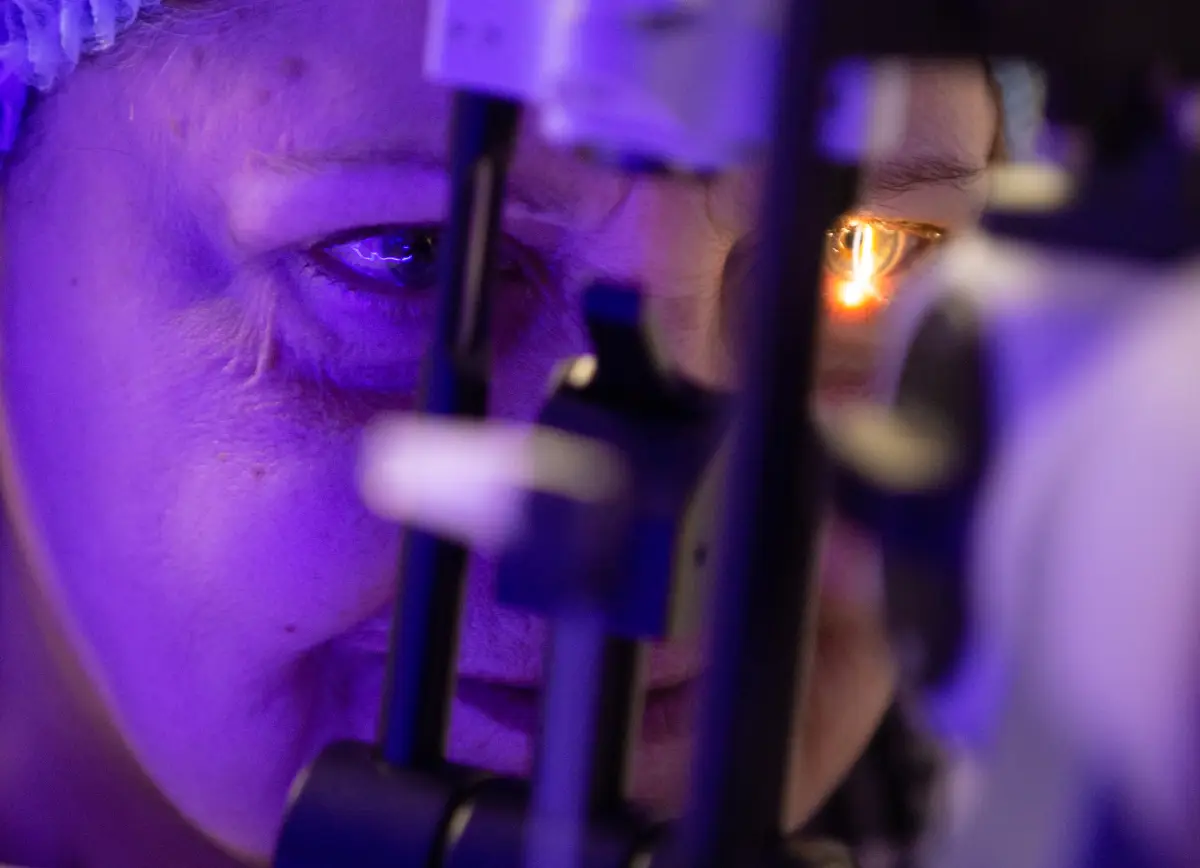
Why cataract planning can be different after LASIK
During cataract surgery, the cloudy natural lens is removed and replaced with an intraocular lens, or IOL. The surgeon must estimate the lens power that will work well for your eye.
After LASIK, standard measurements may not work in the same way as they do for an eye that has not had corneal surgery. The cornea’s shape has changed. This can make lens power calculations more challenging.
That does not mean a good plan is impossible. It means your surgeon may use special measurements, formulas, and records to guide the decision. American Academy of Ophthalmology educational guidance explains that previous corneal refractive surgery can affect the measurements and calculations used to determine IOL power.
Why old records may help
If you still have records from your LASIK procedure, bring them to your consultation. They may include:
- Your prescription before LASIK.
- Measurements taken before or after the procedure.
- The date and type of surgery.
- Past eye examination records.
These details may help your surgeon understand how your cornea changed. If your previous LASIK records are unavailable, let the Lumea team know when arranging an assessment. The team can explain what information may be helpful to bring.
How does the Light Adjustable Lens work?
The Light Adjustable Lens is an artificial lens used during cataract or lens replacement surgery. Its power can be adjusted after it is placed in the eye, once the eye has had time to heal.
The process generally includes:
- The surgeon removes the natural lens and places the Light Adjustable Lens.
- Your eye begins to heal.
- You attend follow-up visits for light treatments that adjust the lens.
- You follow instructions about wearing UV-protective glasses.
- Once the treatment plan is complete, the lens is locked in.
The number and timing of visits depend on your care plan. The extra follow-up is an important part of deciding whether this lens fits your needs and schedule.
The lens’s adjustability does not eliminate all of the measurement and planning considerations associated with previous LASIK. Your surgeon still needs to assess your cornea and measurements. Ask how your history may affect the plan and what the team can and cannot predict.
What should you discuss at your consultation?
It can help to write down your questions before your visit. You may want to ask:
- How has LASIK changed my cornea?
- What measurements will you use to plan my lens?
- Do you need my old LASIK records?
- Which lens options may fit my eye health?
- What vision tasks might still require glasses?
- How many follow-up visits should I expect?
- What costs may apply to each lens option?
Tell the care team about your daily routine, too. For example, explain whether you drive at night, read often, work at a computer, or prefer to wear glasses for some tasks.
These details do not decide the lens by themselves. They help the surgeon understand what matters to you.
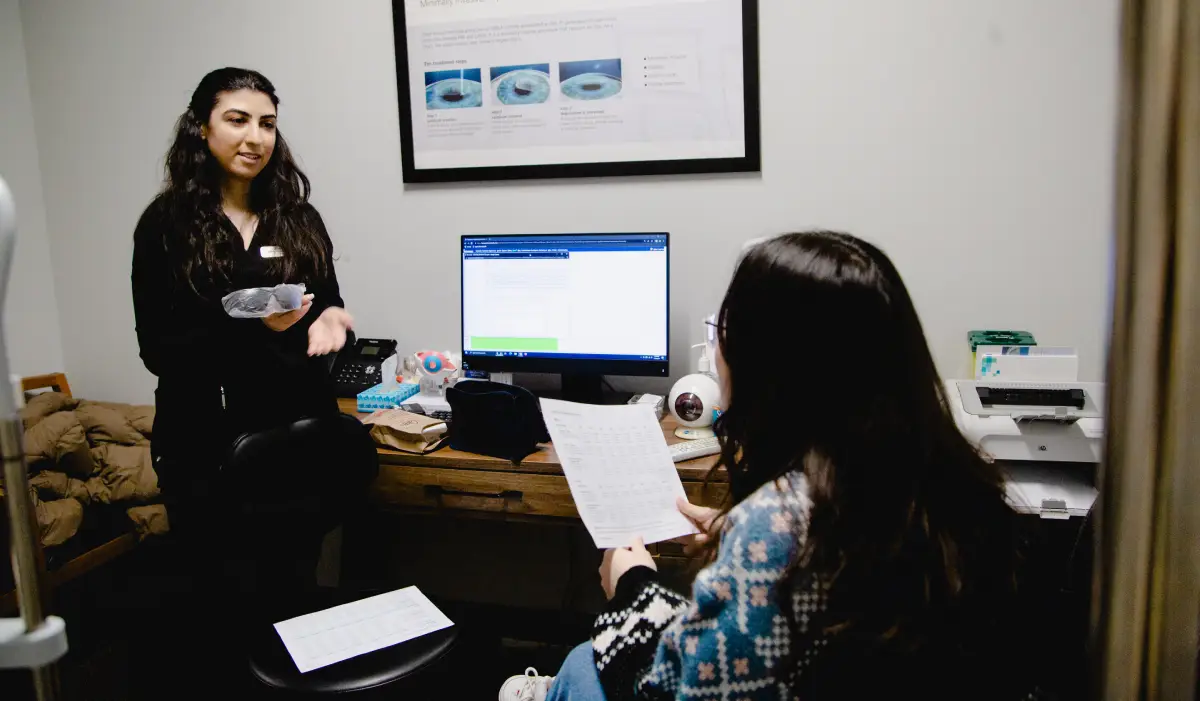
What other lens options might be discussed?
The Light Adjustable Lens is one possible lens approach. Your surgeon may also discuss monofocal, toric, multifocal, or extended-depth-of-focus lenses, depending on your eye health and goals.
Each option has different features and trade-offs. Some are designed to focus at one main distance. Others aim to support more than one distance. Some may lead to extra glare or halos for certain people.
There is no single choice that is best for everyone. A useful discussion covers what each lens may help with, what it may not do, and how often you might still use glasses.
You can read Lumea’s overview of intraocular lens options for cataract surgery. For a broader overview of the procedure, see what to expect during cataract surgery.
Where can you discuss the Light Adjustable Lens?
Lumea has Light Adjustable Lens information for patients considering care in different locations. Review the relevant clinic details and ask the team about appointment availability:
- Light Adjustable Lens in Toronto
- Light Adjustable Lens consultations in Barrie
- Light Adjustable Lens care in Vaughan
The consultation team can explain what to bring and what to expect. You can also contact Lumea to ask about an assessment.
Take the next step
A past LASIK procedure is an important part of your eye history, but it does not answer the lens question by itself. An assessment can help you understand your measurements, choices, follow-up needs, and possible costs.
Frequently asked questions
Can I have cataract surgery after LASIK?
Many people who have had LASIK can still be assessed for cataract surgery. Past LASIK can affect measurements used to select an artificial lens, so your surgeon will need to review your history and examine your eyes.
Does the Light Adjustable Lens guarantee clear vision after LASIK?
No lens can guarantee a specific result or ensure that you will never need glasses. The Light Adjustable Lens allows certain adjustments after surgery, but your eye health and individual measurements still matter.
Should I bring my old LASIK records?
Yes, if you have them. Records may help the surgeon understand your past prescription and corneal measurements. If you do not have them, you can still attend an assessment. The clinic can explain what information may be available another way.
Can I choose a lens before the examination?
Lens selection should take place only after the required eye assessment and measurements have been completed. Your measurements and eye health can affect which choices are suitable. You can read about the options ahead of time and bring questions to your appointment.
Will I still need glasses after surgery?
Possibly. The lens plan may reduce the need for glasses for some tasks, but it cannot promise that you will not need them. Ask which distances the lens is designed to support and where glasses may still help.