


4.9/5 from over 327 reviews.
PRK eye surgery in Barrie
PRK eye surgery can correct eligible refractive errors by reshaping the corneal surface without creating a flap. At Lumea Barrie, patients receive detailed testing to determine whether PRK fits their eye health, prescription, work and everyday activities.
PRK may be particularly relevant to some people with thinner corneas or lifestyles involving physical activity, but these factors do not establish candidacy by themselves. A complete assessment is required before the team can recommend treatment.
Book a vision consultation to discuss PRK and other options in Barrie.
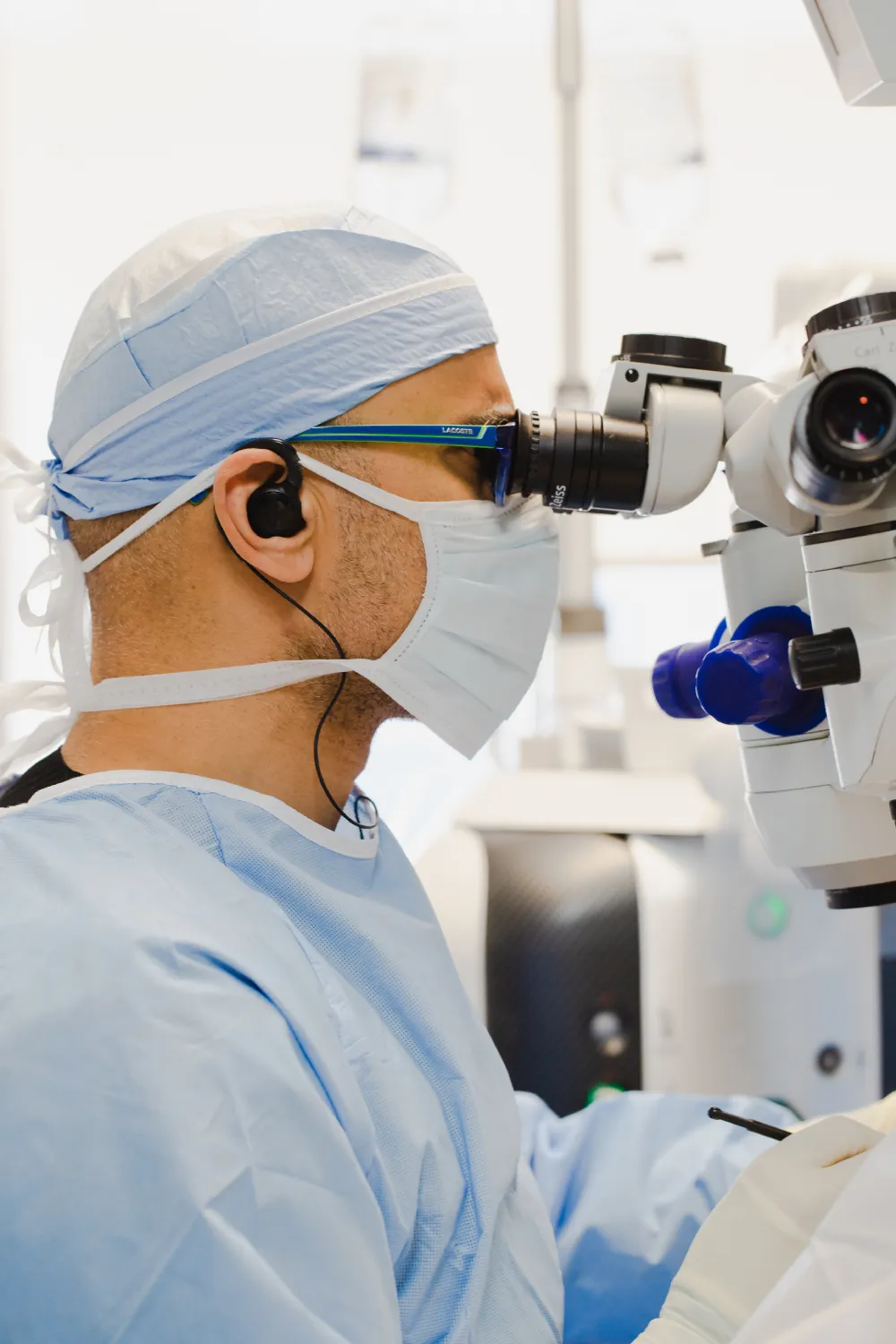
How it works
What is PRK laser eye surgery?
PRK, or photorefractive keratectomy, is a surface-based procedure that uses an excimer laser to reshape the cornea. This may improve how light focuses on the retina and correct eligible amounts of myopia and astigmatism. Learn more on Lumea’s PRK eye surgery page.
Surface treatment without a corneal flap
Unlike LASIK, PRK does not create a corneal flap. The surface cells are removed before laser treatment, and a bandage contact lens protects the eye while they regenerate.
How PRK changes corneal focusing power
Treatment is planned using measurements collected during the preoperative assessment. Eligibility and expected outcomes depend on the patient’s prescription, corneal structure and overall eye health.
Who may consider PRK in Barrie?
PRK may be considered for adults with stable prescriptions and suitable eye health who want to reduce their dependence on glasses or contact lenses. Testing, lifestyle and follow-up needs all form part of the assessment.
Patients with thin or irregular corneas
Some patients may be assessed for PRK when their corneal measurements are less suitable for LASIK or SMILE. Corneal mapping is required because PRK is not appropriate for every thin or irregular cornea.
People involved in contact sports or physical work
Because PRK does not create a corneal flap, it may be discussed with people involved in contact sports or physical occupations. Suitability still depends on eye measurements, lifestyle and recovery considerations.
Adults with stable prescriptions
A stable prescription helps the clinical team plan treatment. Recent prescription history, corneal structure and overall eye health are reviewed during the assessment.
Situations in which PRK may not be appropriate
The PRK process
What to expect before, during and after PRK
PRK is a process that includes assessment, treatment and follow-up care. Each stage contributes to safe planning and appropriate monitoring.
Patients receive instructions based on their eyes and treatment plan. Those instructions should be followed instead of relying solely on general information.

Diagnostic assessment
Testing may include refraction, corneal mapping, corneal thickness measurements and examination of the eye’s surface and tear film. These results show whether PRK can be considered and help determine the proposed correction.
The team will review previous eye procedures, medications and relevant health conditions. Patients should also explain their work and recreational activities.
Treatment day
Numbing eye drops are used, and the clinical team may provide additional comfort measures. The surface cells are removed, the excimer laser reshapes the cornea and a bandage contact lens is placed over the eye.
Patients should expect to spend more time at the clinic than the laser treatment itself requires. Transportation home must be arranged before the procedure.
Follow-up and visual recovery
Follow-up visits monitor surface healing, visual progress and the eye’s response to treatment.
Vision may continue to fluctuate after the initial healing period. Patients should attend every scheduled examination and report concerning symptoms promptly.

PRK recovery
Planning your PRK recovery close to home
PRK recovery is gradual and requires planning around transportation, work, daily responsibilities and follow-up appointments. Individual instructions should always take priority over general recovery estimates.
- Initial healing: Discomfort, tearing, light sensitivity, and fluctuating vision may occur during the first several days. Use prescribed drops as directed and avoid rubbing the eyes.
- Transportation: Arrange transportation home after treatment and for early follow-up visits if needed. Patients travelling from outside Barrie should confirm the expected appointment schedule in advance.
- Work and exercise: Returning to work depends on visual demands and the working environment. Driving, swimming, contact sports and strenuous exercise should resume only according to clinical guidance.
- Outdoor protection: Sunglasses may help protect healing eyes from bright light, wind and dust. Follow the clinical team’s instructions concerning UV exposure and outdoor activities.
PRK for active lifestyles
PRK’s lack of a corneal flap may make it worth discussing for some people involved in sports, outdoor recreation or physically demanding occupations. The absence of a flap can be relevant when future eye trauma is a realistic concern.
PRK still requires recovery time, activity restrictions and careful postoperative care.
Contact and collision sports
Athletes participating in hockey, martial arts, basketball or other contact activities should describe their full training and competition schedule. The team can explain how PRK, LASIK and SMILE differ and what return-to-sport restrictions may apply.
Protective eyewear may remain important after recovery. Vision correction does not prevent eye injuries.

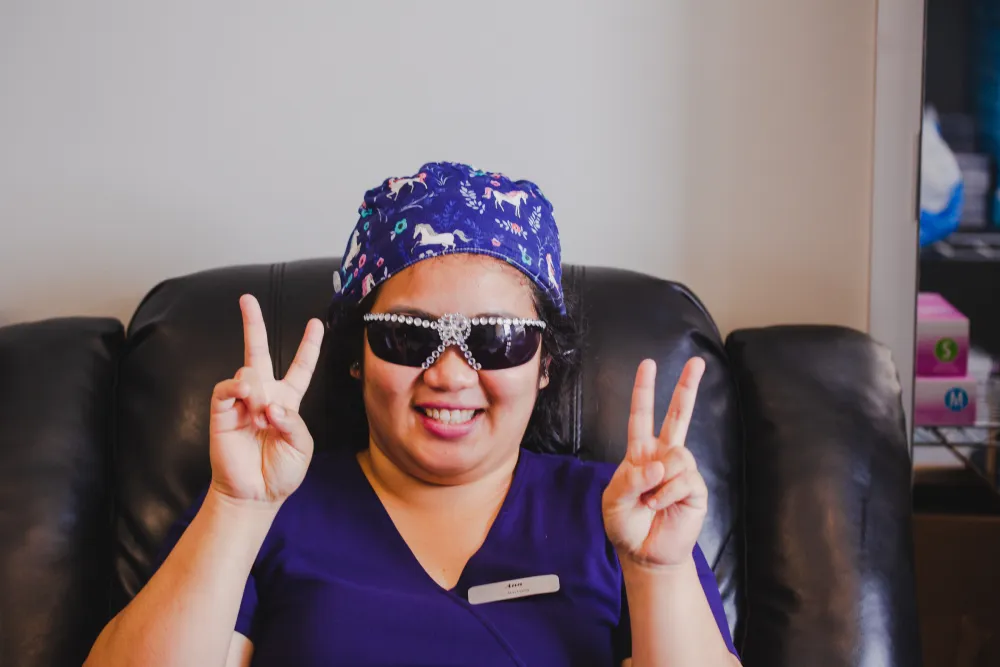
Outdoor work and recreation
People working or spending time outdoors may face dust, wind, sunlight and environmental exposure. These factors can influence postoperative planning during the early healing period.
Scheduling treatment during a manageable period may make the required precautions easier to follow. The team can provide guidance based on the patient’s activities.
PRK compared with LASIK and SMILE
PRK, LASIK and SMILE can all correct eligible refractive errors, but they use different surgical approaches. Those differences affect which measurements are required and how the first stage of recovery typically develops.
The procedure with the quickest recovery is not necessarily the best clinical choice. The appropriate option depends on the patient’s complete examination.
| Feature | PRK | LASIK | SMILE |
|---|---|---|---|
| Approach | Corneal surface treatment | Flap-based treatment | Small-incision treatment |
| Corneal flap | No | Yes | No |
| Initial recovery | More gradual | Usually faster | Usually faster |
| Common discussion point | Thin or irregular corneas and active lifestyles | Broad refractive eligibility with suitable corneas | Eligible myopia and astigmatism with suitable measurements |
| Decision | Individual assessment | Individual assessment | Individual assessment |
Potential risks and realistic results
Patients should understand PRK’s risks, limitations and expected recovery before choosing treatment. The informed-consent discussion provides information specific to the patient and planned correction.
No procedure can guarantee perfect vision or lifelong freedom from glasses. Individual healing and visual needs vary.
Early side effects
Temporary discomfort, irritation, light sensitivity, dry-eye symptoms, glare, halos and fluctuating vision may occur. The frequency, intensity and duration of these effects vary.
The team will provide medication and recovery instructions. Patients should not alter the prescribed plan without professional guidance.
Infection, inflammation and corneal Haze
Potential complications include infection, inflammation, corneal haze and delayed surface healing. These complications are less common than routine recovery effects but require appropriate monitoring.
Postoperative examinations help the team identify and manage healing concerns. New, severe or worsening symptoms should be reported immediately.
Driving, exercise and makeup
Patients should not drive until their vision is suitable and their eye-care professional provides clearance. Exercise, swimming and eye makeup should also be resumed according to postoperative instructions.
PRK care at Lumea Barrie
Lumea Barrie provides laser vision correction and cataract surgery near Georgian College and the Royal Victoria Regional Health Centre. The clinic supports patients from Barrie and surrounding Simcoe County communities.
The clinic is located at 5 Quarry Ridge Road, Suite 206, Barrie, Ontario. Patients should confirm current hours, surgeon availability and appointment requirements directly with the clinic.
Contact information
-
5 Quarry Ridge Road
Suite 206
Barrie, ON L4M 7G1 - Tel: 705-300-0741
- Fax: 705-300-0771
-
Mon-Fri: 9am-5pm
Sat-Sun: CLOSED
Personalized procedure selection


Local follow-up planning
Receiving care in Barrie can make required assessments and follow-up appointments more manageable for local patients. However, the number and timing of visits vary according to treatment and recovery.
Paid parking is available on-site. Patients should allow additional time for parking before appointments, as noted on the Barrie clinic page.
Arrange a Barrie visit
Frequently asked questions
The answers below cover common early questions about PRK treatment and recovery. They do not determine whether an individual patient qualifies.
How long does PRK recovery take?
Initial surface healing generally occurs during the first several days, while vision may continue to improve and fluctuate over subsequent weeks. Lumea’s general guidance describes visual recovery over approximately one to four weeks.
Final stabilization can take longer, and each patient’s experience is different. Follow-up examinations determine whether healing is progressing appropriately.
Do I have to decide on a lens at my first appointment?
No. The first visit is a chance to review your eye health and discuss choices. You can ask for time to consider the options. Make sure you understand the expected glasses use, possible visual effects, follow-up needs, and costs.
When can I return to outdoor activities?
Return timing depends on the activity, environment and stage of healing. Dust, wind, water, sunlight and the possibility of impact can affect the precautions required.
Patients should obtain activity-specific advice from the clinical team rather than following a universal timeline.
Is PRK appropriate for contact-sport athletes?
PRK may be considered because it does not create a corneal flap, but that feature does not establish candidacy by itself. Corneal measurements, prescription, eye health and the sport must all be reviewed.
The athlete must also plan for temporary restrictions during recovery.
When can I drive after PRK?
Patients cannot drive immediately after the procedure and must arrange transportation. Driving can resume only when vision meets the required standard and an eye-care professional considers it appropriate.
How many follow-up visits will I need?
The number and timing of visits depend on healing, treatment details and the shared-care plan. Early appointments commonly monitor the corneal surface and bandage contact lens.
The clinic will provide an individual schedule before or immediately after treatment.
How can I book a PRK assessment in Barrie?
Contact Lumea and request a vision correction consultation at the Barrie clinic. The team can explain how to prepare for testing and whether contact lenses must be discontinued beforehand.