
The Light Adjustable Lens is adjusted after surgery as the eye heals. Multifocal and EDOF lenses use different designs to support vision at more than one distance. Each option has benefits and trade-offs. Your eye health, daily needs, and comfort with follow-up care help guide the choice.
If you are comparing cataract lens options, the names can sound confusing. The main difference is how each lens works and what happens after surgery.
The Light Adjustable Lens can be refined with light treatments after it is implanted. Multifocal and extended-depth-of-focus (EDOF) lenses use their optical design to support vision across different distances.
No option is best for everyone. A careful comparison should include your eye measurements, health, daily tasks, and expectations. Lumea’s Light Adjustable Lens service page explains one of these options in more detail.
What is the main difference?
The Light Adjustable Lens platform allows the lens power to be adjusted after surgery. Unlike multifocal lenses, it does not use multiple focal zones. Multifocal and EDOF lenses use optical designs that aim to provide a range of focus.
Here is a simple comparison:
| Lens type | How it works | Questions to ask |
| Light Adjustable Lens | The lens power can be adjusted after surgery during follow-up visits. | Can I attend the extra visits and follow the UV-protection instructions? |
| Multifocal lens | The lens design aims to support more than one distance. | Could I notice glare or halos, and how might it affect night tasks? |
| EDOF lens | The lens aims to extend the range of focus, often supporting distance and intermediate tasks. | What range of vision is this lens designed to support, what visual effects may occur, and might I still need reading glasses for close work? |
This table is a starting point, not a recommendation. Only an eye assessment can help determine which choices may fit your eyes.
How does the Light Adjustable Lens work?
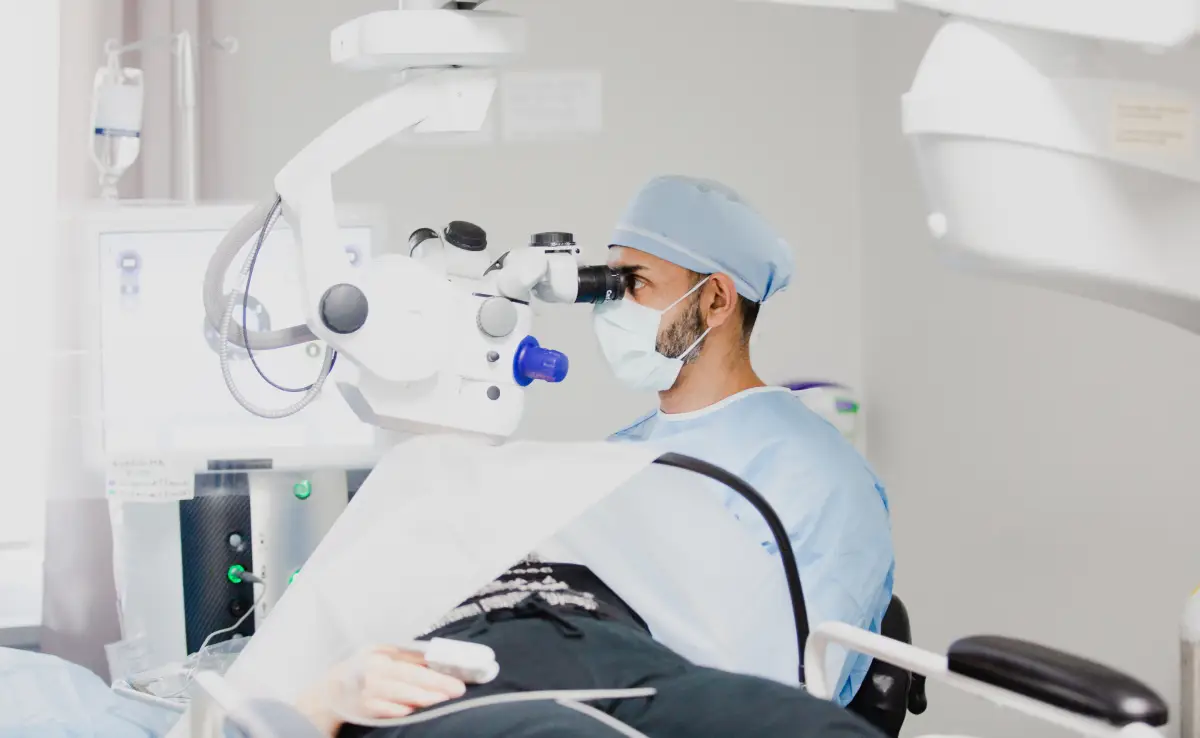
The Light Adjustable Lens is implanted after the natural lens is removed during cataract surgery. After the eye heals, the surgeon can adjust the lens power with light treatments.
The process often involves:
- Surgery to remove the natural lens and place the artificial lens.
- A healing period before adjustments begin.
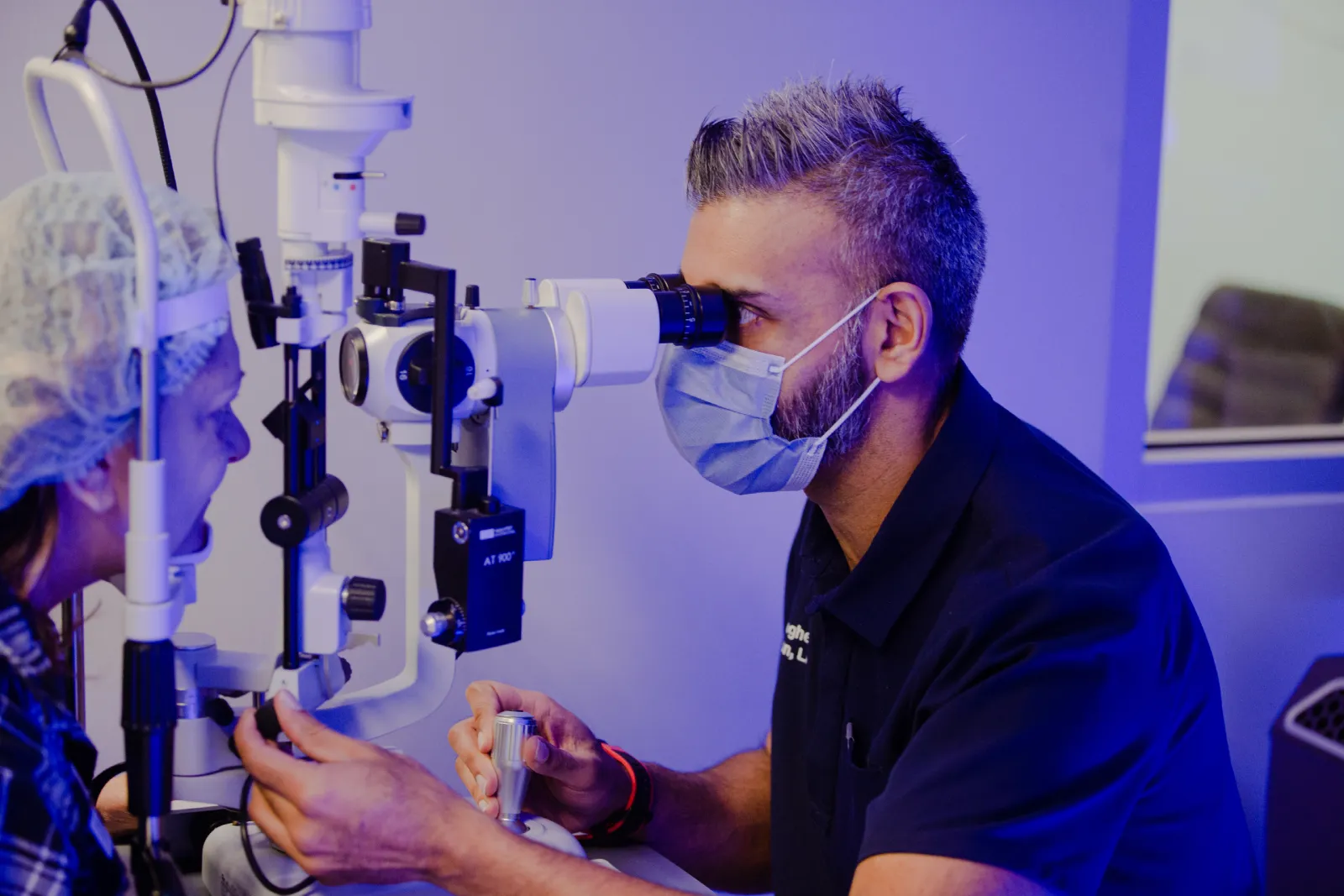
- Follow-up visits for light treatments.
- Wearing UV-protective glasses as directed.
- A final treatment to lock in the lens power.
This process requires additional appointments and careful adherence to the prescribed UV-protection and follow-up instructions. These requirements should be considered during the individual assessment. The care team can explain the anticipated number of visits and the UV-protection and follow-up instructions associated with treatment.
The Light Adjustable Lens does not mean that every visual detail can be adjusted or that glasses will never be needed. Your surgeon can explain what changes may be possible in your case.
How do multifocal lenses work?
A multifocal lens is designed to support more than one viewing distance. This may help with tasks such as distance vision and reading. The way you see with the lens depends on your eyes and the lens design.
Some people may notice glare, halos, or other visual effects. These effects can matter for activities such as night driving. Your surgeon can explain the possible trade-offs and how they relate to your eye health.
Ask how the lens may perform for the tasks you do most often. For example, discuss reading, computer work, driving, and hobbies.
Claims about reduced glasses use cannot determine individual suitability or predict a particular result. Eye measurements, eye health and personal visual needs must also be considered.
How do EDOF lenses work?
EDOF means extended depth of focus. These lenses aim to provide a broader range of focus than a standard monofocal lens. They often aim to support distance and intermediate vision, such as seeing a computer screen.
You may still need reading glasses for close-up tasks. Visual effects can also vary by lens and patient. Ask your surgeon what you might expect for reading, night driving, and other tasks that matter to you.
Lumea’s guide to intraocular lenses in cataract surgery can help you learn basic lens terms before your appointment.
Compare the choices by your daily needs
A useful lens discussion starts with how you use your eyes. Think about the tasks you do often and the ones that matter most.
Ask yourself:
- Do I drive at night often?
- Do I spend many hours at a computer?
- How much close reading do I do?
- Am I comfortable using reading glasses?
- Can I attend extra appointments after surgery?
- Would glare or halos affect my daily activities?
Your answers help your surgeon understand your priorities. They do not replace eye measurements or a medical assessment.
Compare the follow-up plan
The Light Adjustable Lens has a specific adjustment and lock-in process. Multifocal and EDOF lenses do not use that same process. Ask what visits are needed before and after surgery for each option.
Also ask how long healing may take and when you can return to normal activities. Your care team will provide instructions based on your situation.

What should you ask your cataract surgeon?
Bring a short list of questions to the consultation. You might ask:
- Which lens options are suitable for my eyes?
- What distances does each lens aim to support?
- How likely am I to need glasses for reading?
- What visual effects may occur with each choice?
- How many follow-up visits are needed?
- What costs may apply?
- What happens if my vision is not as expected?
The surgeon should explain the options in clear terms. You should have enough information to make a decision without feeling rushed.
How does refractive cataract surgery fit in?
Refractive cataract surgery combines cataract removal with planning for the focus of the artificial lens. It may aim to reduce glasses use for certain tasks, depending on the person and lens selected.
Lumea’s refractive cataract surgery page explains the service and lens plans. You can also read how cataract surgery works before your assessment.
Refractive lens exchange is a separate procedure from cataract surgery. Eligibility and available lens options depend on an individual assessment.
Compare your options with Lumea
Understanding how the available lens options differ is an important part of the assessment process. Lumea has clinic locations in Toronto, Vaughan and Barrie. Visit the clinic directory for location information or contact Lumea to ask about an assessment.
Frequently asked questions
Is the Light Adjustable Lens a multifocal lens?
No. The Light Adjustable Lens does not use the same multiple-focus-zone design as a multifocal lens. Its defining feature is that the lens power can be adjusted after surgery through a prescribed series of light treatments. Multifocal lenses use a different optical design to support more than one distance. Your surgeon can explain which designs may suit your eyes.
What lens factors should be considered for night driving?
Lens designs can differ in their focusing range and potential visual effects. Night-driving needs, eye health and the possibility of glare, halos or reduced contrast should be discussed during the individual assessment. No particular lens can be identified as the best option without examining the patient’s eyes and visual needs.
Does an EDOF lens remove the need for reading glasses?
Not always. An EDOF lens may support distance and intermediate vision, but some people still use reading glasses for close work. Ask your surgeon what distances the specific lens plan is intended to support.
Does the Light Adjustable Lens need more appointments?
It usually involves extra follow-up visits for adjustment and lock-in treatments. You also need to follow UV-protection instructions. The Lumea team can explain the expected treatment and follow-up schedule during the assessment.
Can I choose a lens based on what worked for a friend?
A friend’s experience can help you think of questions, but it cannot predict your result. Eye measurements and health vary. Your surgeon will assess your eyes and explain which choices are appropriate for you.