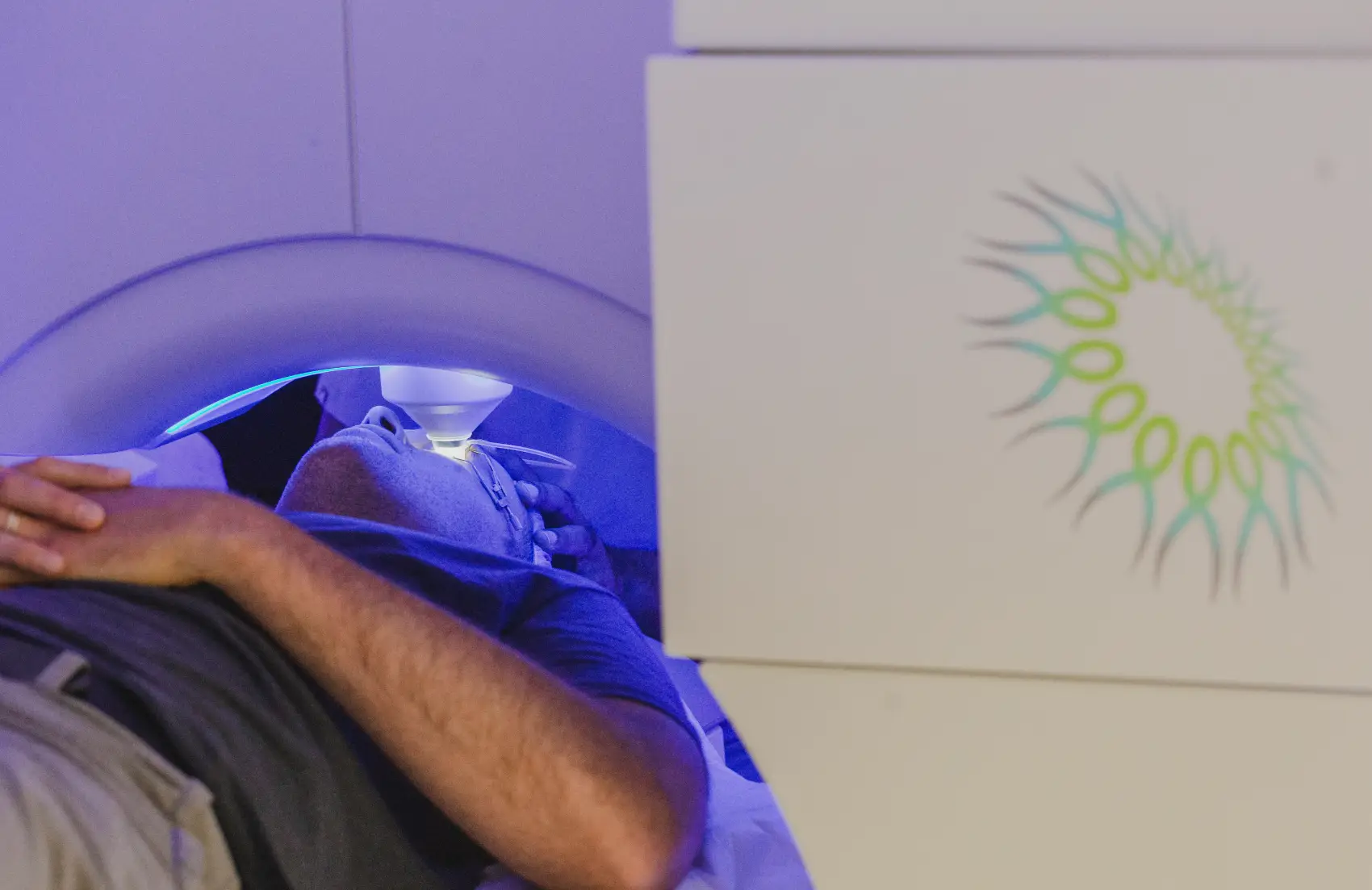

Laser vision correction requires a period of healing. Almost 95% of patients report some temporary dryness right after the procedure. Dealing with dry eyes after LASIK is a normal part of this journey. Thankfully, symptoms usually resolve within 6 to 12 months as your nerves heal. The team at Lumea prioritizes patient education to ensure you have a smooth and comfortable recovery experience.
Why does LASIK cause dryness?
At Lumea, we use advanced technology during LASIK to perform the surgery with incredible precision to aid your recovery.
- Corneal Flap Creation: The procedure involves creating a tiny flap to reshape the cornea, which temporarily disrupts corneal nerves.
- Interrupted Signals: These nerves act as messengers; when disrupted, they temporarily stop signaling your eyes to produce tears.
- Reduced Moisture: This temporary “sleeping” state reduces moisture levels, leading to a dry sensation.
- Natural Regeneration: This is temporary; the nerves regenerate over time, bringing tear production back to normal.
- Minimizing Disruption: High-precision technology helps minimize tissue disruption, making these LASIK side effects easier to manage.
The recovery timeline: What is normal?
Most people find that their dry eye symptoms resolve significantly within 6 to 12 months. It takes time for the nerves to fully regenerate and function properly.
Common symptoms
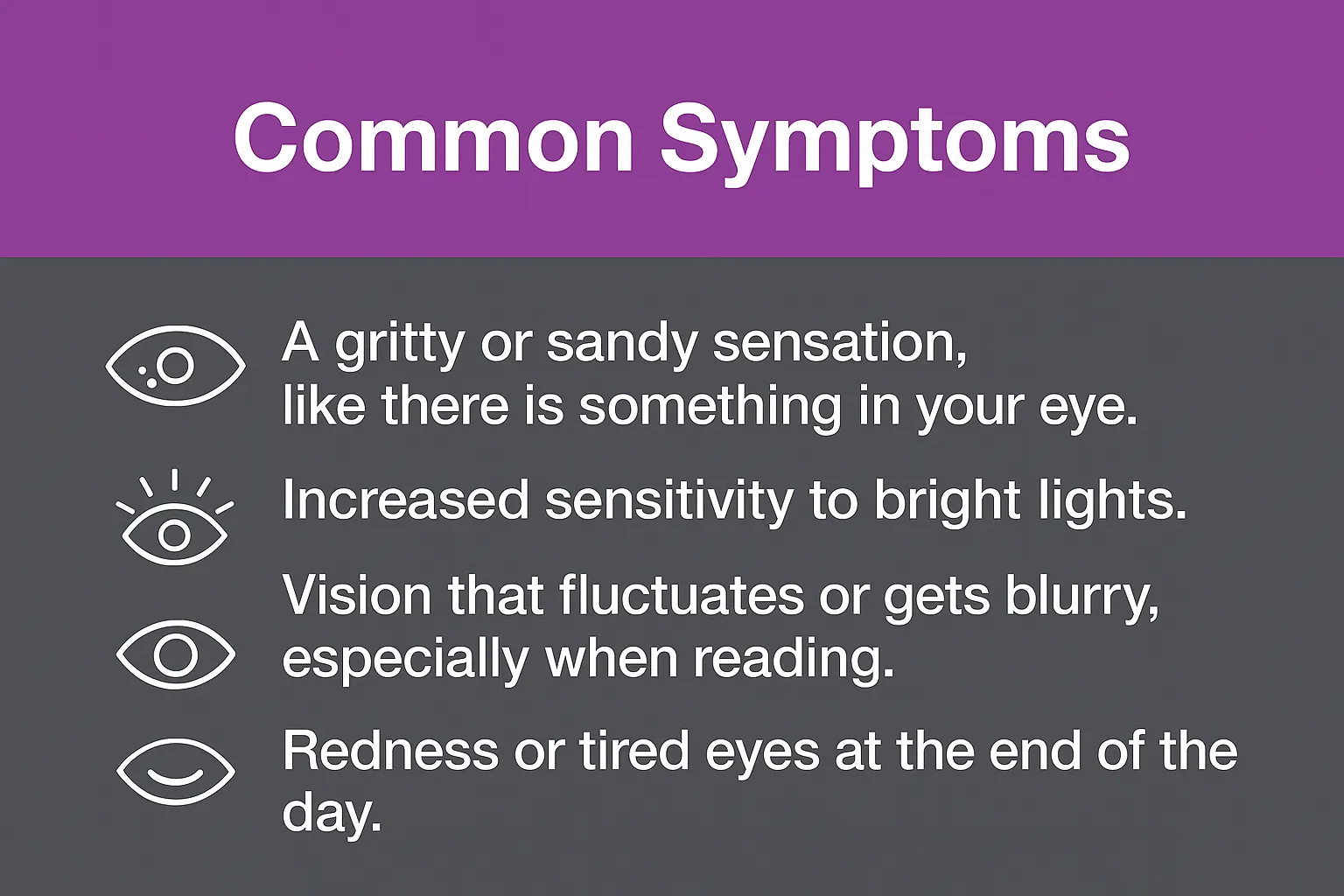
It helps to know exactly what to look out for. While everyone is different, there are some common signs of dryness. You might experience:
Age is a factor in the healing process. For procedures like PRESBYOND, a detailed assessment of the ocular surface helps confirm suitability. This ensures the vision correction plan is tailored to the patient’s specific eye health needs, supporting a more predictable recovery.
Effective strategies for managing dry eye
There are many simple things you can do at home to find relief. You don’t have to wait it out; you can take proactive steps. Managing dry eyes is all about keeping your eyes lubricated and protected.
At-home remedies & lifestyle adjustments
- Lubricate Often: The most important tool in your kit is artificial tears. Your doctor will likely recommend preservative-free drops.
- Stay Hydrated: Drinking plenty of water throughout the day helps maintain moisture levels. Try to keep a water bottle with you as a reminder to sip often.
- Modify Your Environment: If you live in a dry climate or during winter months, the air can be harsh. Using a humidifier in your bedroom or office adds moisture back into the air, which feels soothing.
- Check Your Screen Habits: We all love our phones and computers, but they can cause eye strain. When we stare at screens, we tend to blink less often. This causes tears to evaporate too quickly.
Try to follow the 20-20-20 rule to help with this. Every 20 minutes, look at something 20 feet away for 20 seconds.
- Protect Your Eyes: Wind and sun can dry out your eyes very quickly. When you go outside, wear sunglasses. They act as a shield against the wind and prevent irritation.
Medical treatments for persistent symptoms
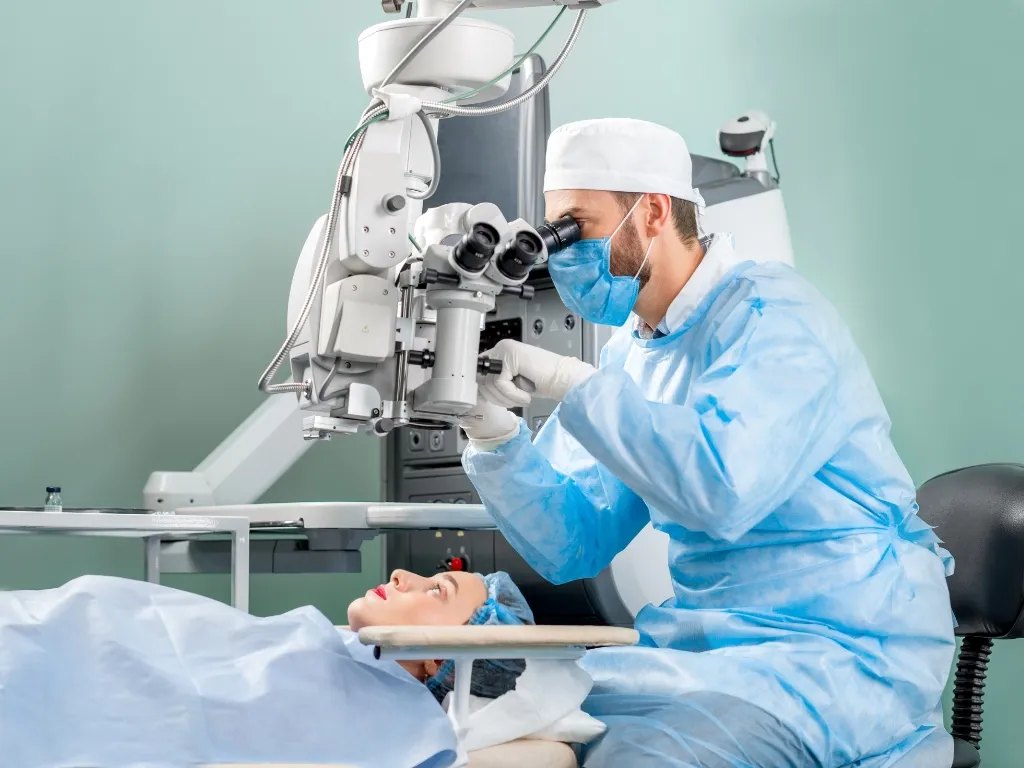
If symptoms do not improve with standard at-home care, professional clinical intervention may be required to address the health of the ocular surface.
- Identifying Root Causes: Persistent dryness is often linked to Meibomian Gland Dysfunction (MGD). This condition occurs when the oil glands in the eyelids become blocked, directly affecting the quality of the tear film.
- Gland Clearing: Clinical treatments focus on clearing these blockages to restore natural gland function. This process helps maintain a stable oil layer on the surface of the eye.
- Preventing Evaporation: Addressing the lipid (oil) layer is a primary step in preventing tears from evaporating too quickly.
- Clinical Co-management: For patients with significant symptoms, managing the ocular surface is a collaborative process between the surgical team and the primary optometrist. Treating the underlying source of dryness is necessary for long-term comfort and stable vision.
Recovery is a team effort involving a partnership between you and your surgeon. Lumea’s team of doctors prioritizes customized LASIK care to ensure your safety and satisfaction.
Conclusion
Dry eye after LASIK is a known risk associated with refractive surgery. Managing this side effect starts with rigorous patient selection and a clear understanding of each individual’s ocular health. During the initial assessment, clinical findings determine if a patient is better suited for LASIK or an alternative like SMILE. Because SMILE is a flapless procedure, it preserves more corneal nerve density and is often a preferred option for those with a higher risk of post-operative dryness.Whether through at-home care or surgical alternatives, the priority is to provide a safe and guided recovery. We encourage you to schedule a consultation to undergo a thorough evaluation and discuss which path to clear vision is most appropriate for your eyes. today!