Nearly 30 percent of Canadians live with blurry vision every day. Usually, this is caused by the myopia vs hyperopia difference in how your eyes are shaped. While myopia makes the distance look like a grey fog, hyperopia makes it hard to read small print. Therefore, choosing the right surgical path depends on these specific physical measurements. Clarity is just one clinical assessment away.
Explore Specialized Surgical Procedures
Understanding Myopia (Nearsightedness)
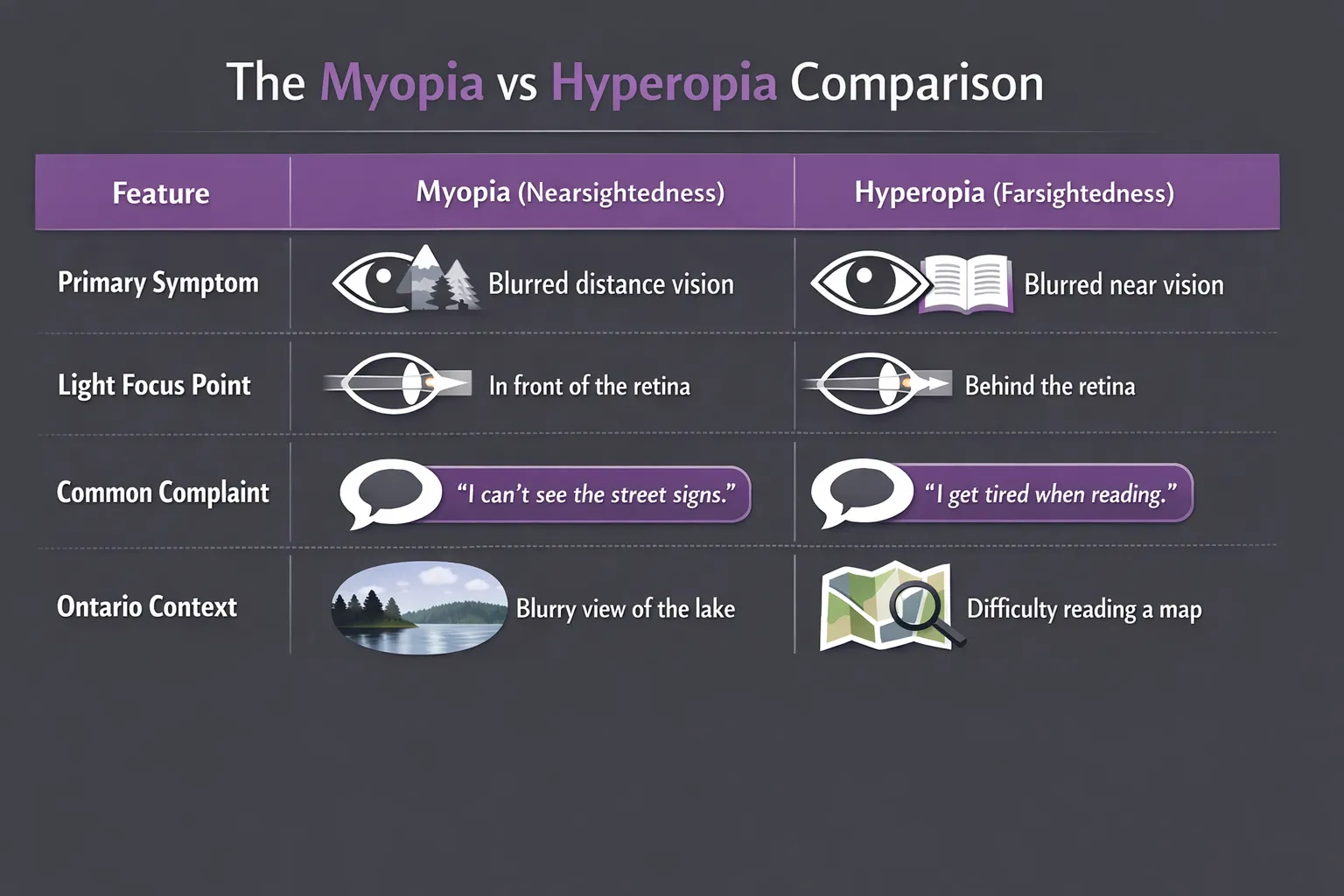
Myopia occurs when the eye is slightly longer than average, or the cornea has a steeper curvature, causing light to focus in front of the retina.
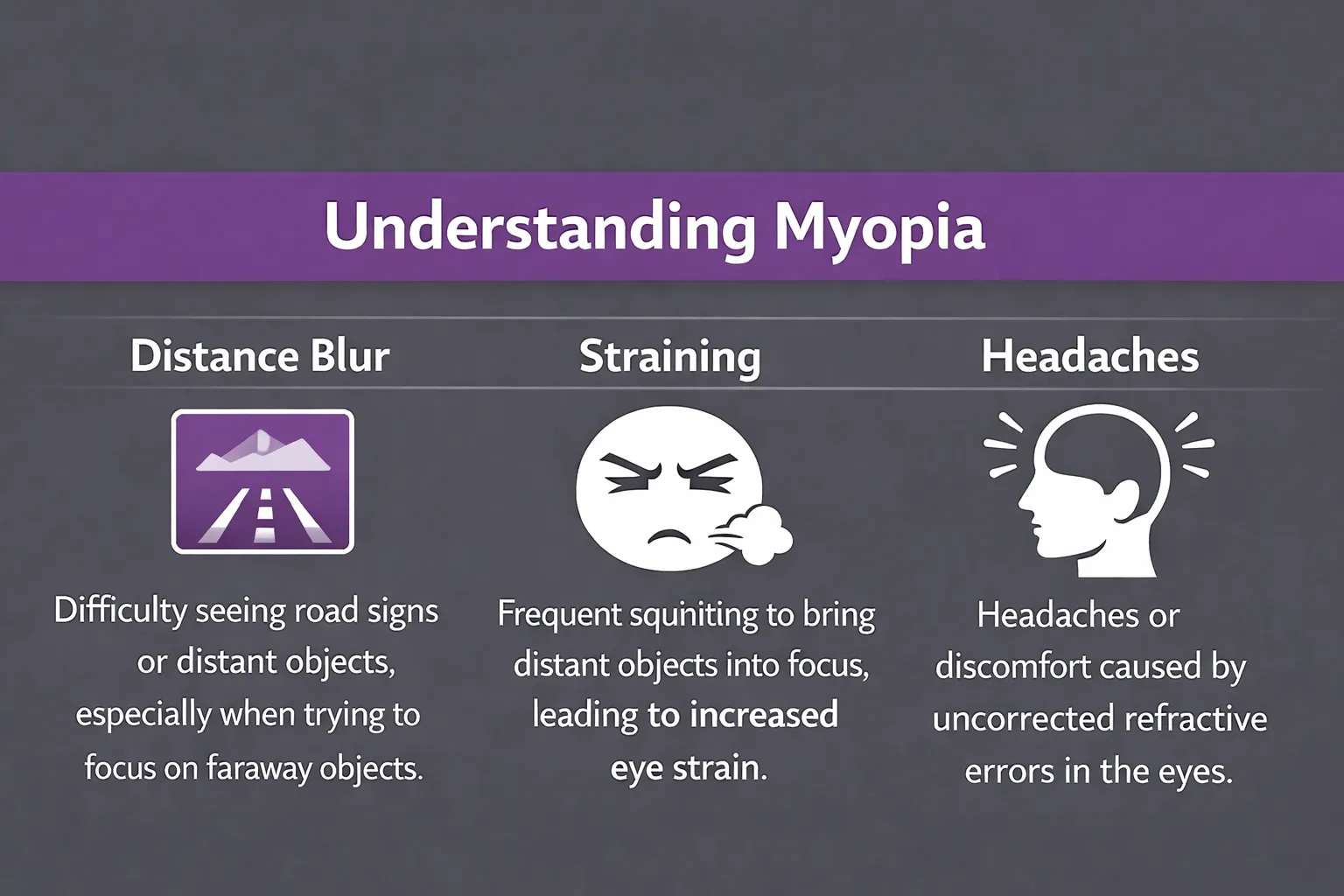
Common clinical indicators of myopia:
- Distance Blur: Difficulty seeing road signs while driving the 400-series highways.
- Straining: Frequent squinting to sharpen distant objects during grey Ontario winter days.
- Headaches: Physical discomfort resulting from uncorrected refractive errors.
Understanding Hyperopia (Farsightedness)
Hyperopia, or farsightedness, occurs when the eye focuses light behind the retina, commonly because the eye is shorter than average or the cornea is less curved. While distant objects may be clearer, near tasks, like reading a menu at a local restaurant, become difficult.
Understanding the distinction between hypermetropia (the clinical term) and myopia is essential for a precise surgical assessment.
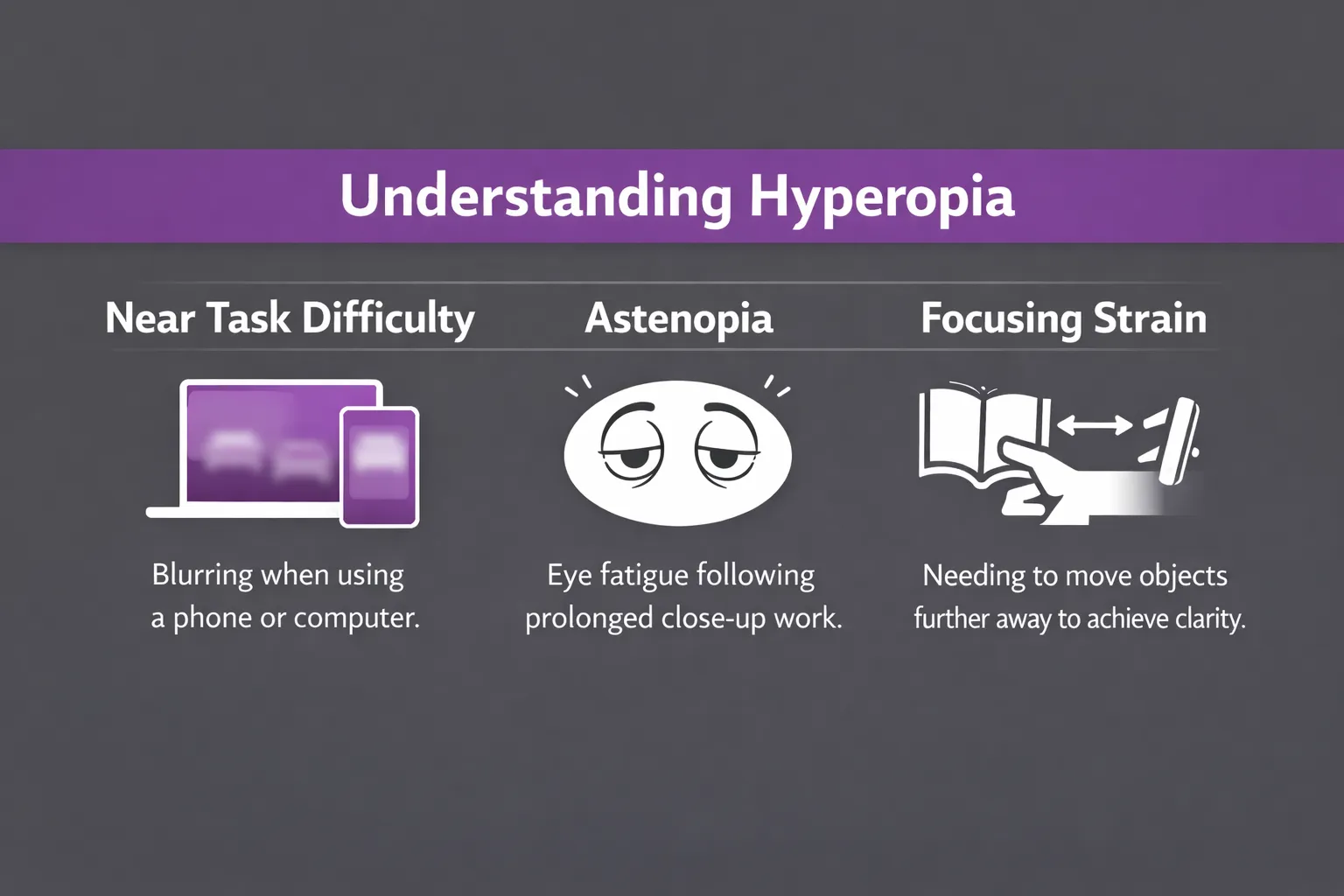
Common symptoms of hyperopia:
- Near Task Difficulty: Blurring when using a phone or computer.
- Astenopia: Eye fatigue following prolonged close-up work.
- Focusing Strain: Needing to move objects further away to achieve clarity.
At a glance: The Myopia vs Hyperopia comparison
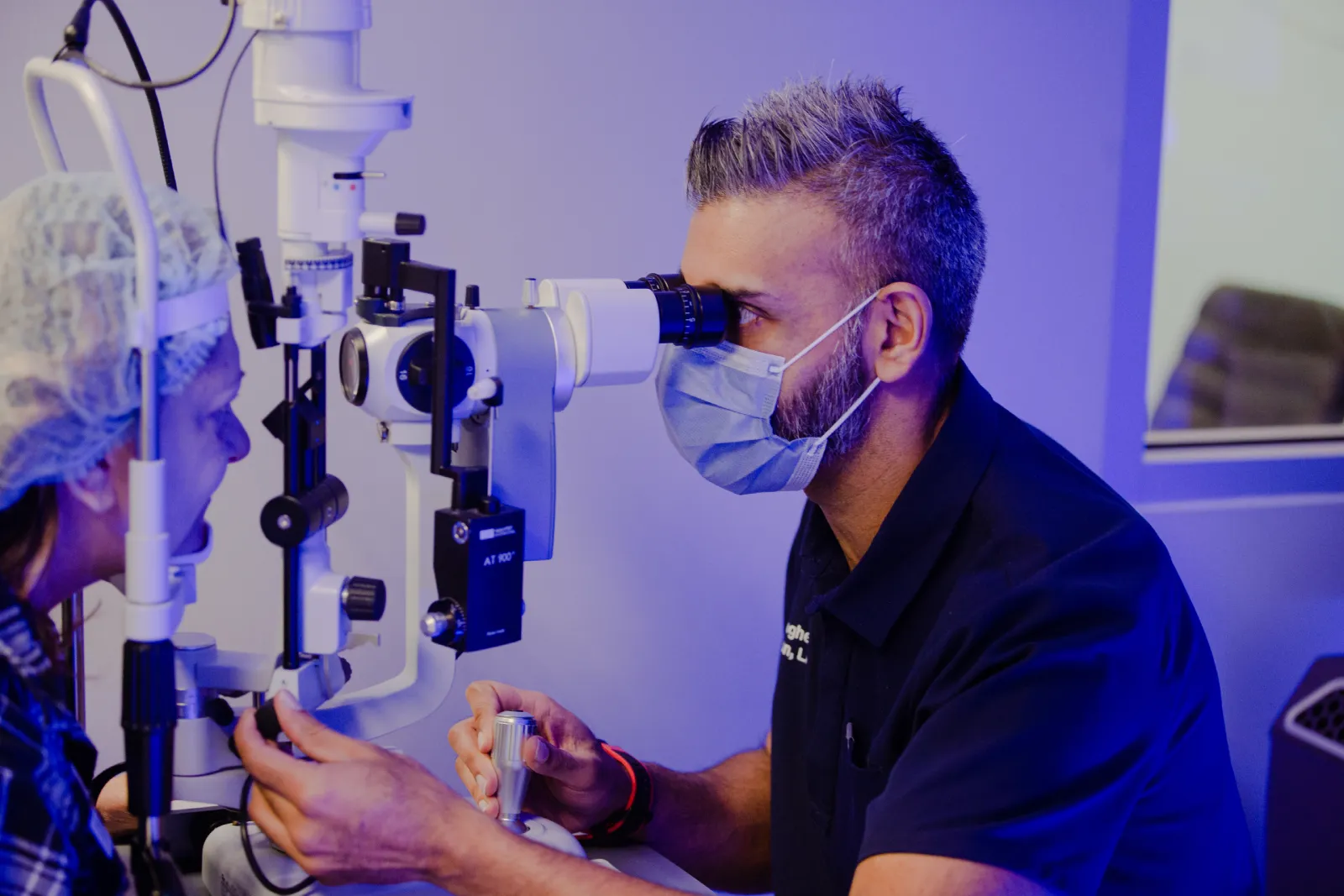
Meet our experienced ophthalmology team
The role of Astigmatism and age
Vision correction is rarely about a single issue. For example, astigmatism is caused by the shape of the eye and is not related to age. However, presbyopia is a natural change that happens to almost everyone over age 40. Therefore, a specialized surgical plan must address both eye shape and age-related changes for the best result.
Managing Myopia and Astigmatism
Astigmatism results from an irregularly shaped cornea, causing distorted vision. It frequently co-exists with nearsightedness. Diagnosing both myopia and astigmatism is a clinical priority to ensure the surgical plan addresses the full refractive error.
Presbyopia vs Myopia
After age 40, many patients notice a natural change in reading vision. This is presbyopia, an age-related loss of lens flexibility. The presbyopia vs myopia discussion is vital for patients who have always seen well at a distance but now find themselves reaching for reading glasses.
Surgical pathways for vision correction
At our specialized centers, we focus exclusively on laser ophthalmology. Our surgeons utilize advanced surgical technology to provide stable, predictable outcomes tailored to the specific anatomy of your eyes.
- SMILE: A flapless, minimally invasive procedure for correcting nearsightedness and astigmatism.
- LASIK: A standard refractive treatment for a wide range of nearsightedness, farsightedness, and astigmatism.
- PRK: An effective alternative for patients with myopia and astigmatism.
- ICL: A specialized lens implant for high prescriptions or those not suited for myopia, hyperopia and astigmatism.
- Presbyond LASIK: A blended vision solution designed to address myopia, hyperopia, presbyopia and astigmatism.
- RLE: Replaces the eye’s natural lens with a clear implant.
- Light Adjustable Lens (LAL): A customizable lens used to optimize vision after surgery. For this reason, it offers high precision for cataract and lens patients.
- Refractive Cataract Surgery (RCS): Corrects vision while removing a cataract. Consequently, it reduces the need for glasses at multiple distances.
Schedule your professional surgical consultation
Conclusion: Take the first step toward clarity
Understanding the myopia vs hyperopia distinction is the first step toward visual freedom. However, a precise diagnosis requires a professional evaluation. We invite you to meet our team of surgeons to discuss a personalized plan for your vision.
Lumea provides specialized surgical evaluations for patients across the region. Our surgical centres are located in: