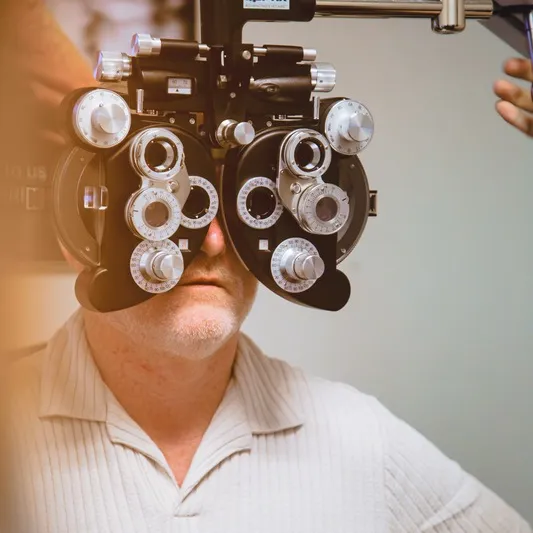
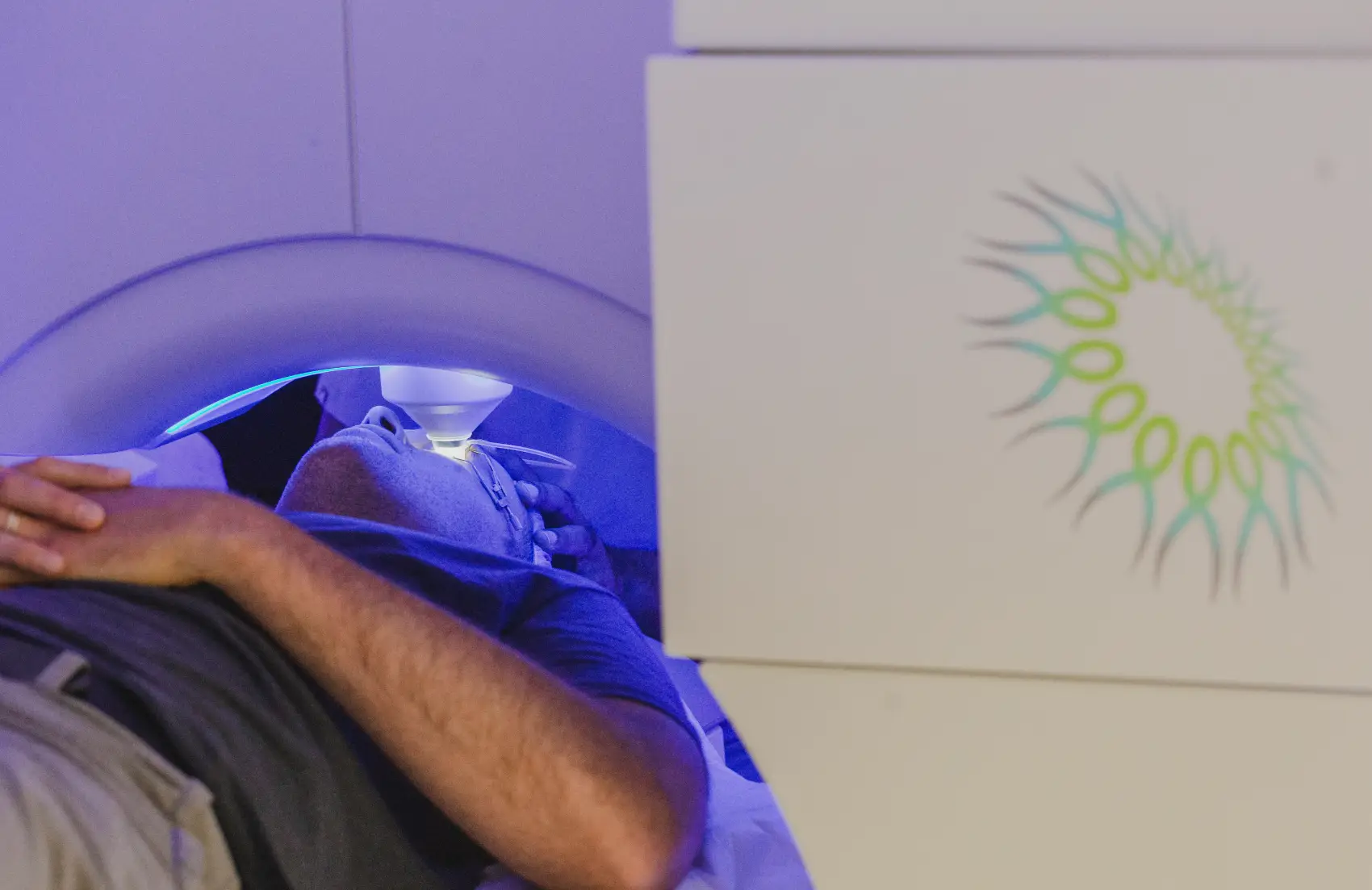
If you blink during laser eye surgery, you will not ruin the procedure. A small, gentle eyelid holder keeps your eyelids open, so you cannot fully blink while the laser is working. Your surgeon also watches your eye throughout treatment. Depending on the procedure and laser platform, tracking, alignment, or stabilization systems help keep treatment centred. If your eye moves beyond the system’s safe working range, treatment can be paused so the surgeon can check and reposition your eye.
In other words, you are not expected to hold your eye perfectly still by willpower alone. The equipment, your surgeon and the surgical team are prepared for normal eye movement.
This fear is common. People may delay a consultation because they worry that blinking or looking away could damage their vision. Understanding the safeguards can make laser vision correction feel manageable.
Can you blink during LASIK or other laser eye surgery?
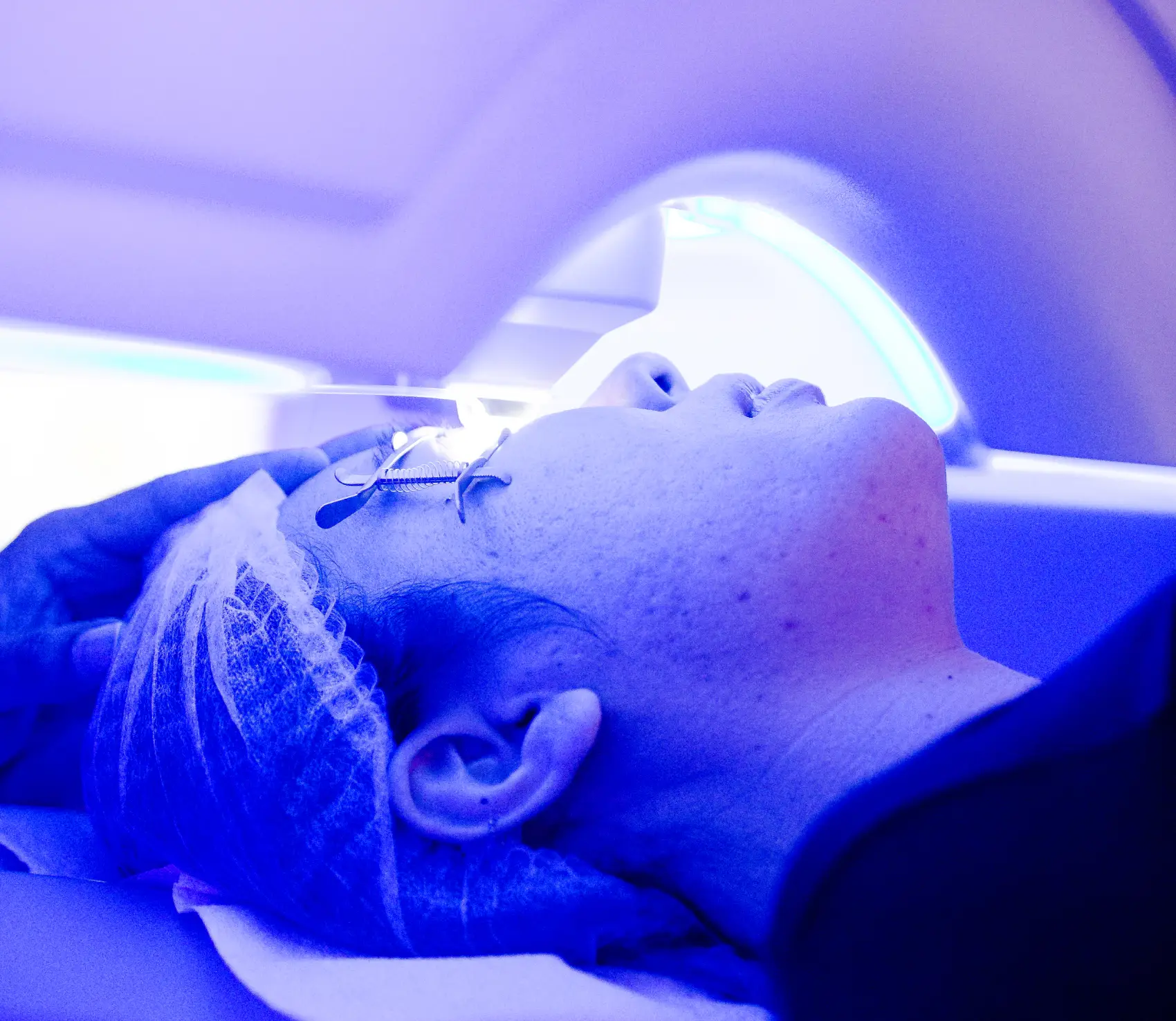
You may still feel the natural urge to blink, but your eyelids cannot close over the eye being treated. Before the procedure begins, the surgical team places a sterile device called an eyelid speculum between the eyelids.
The speculum:
- Holds the upper and lower eyelids apart.
- Prevents an ordinary blink from covering the treatment area.
- Allows the surgeon to see and reach the cornea.
- Stays in place only while it is needed.
The device may feel unusual or create a sense of light pressure. Numbing drops are normally used before treatment to reduce discomfort. You do not need to fight your blink reflex or force your eye open.
The basic idea applies across common corneal procedures, although the equipment and steps differ. Lumea’s LASIK surgery page explains how a flap-based procedure works.
What keeps your eye in the correct position?
Several layers of control help the surgeon manage normal eye movement. The exact combination depends on the procedure, platform and treatment plan.
1. You focus on a target light
The surgeon usually asks you to look toward a small fixation light. The light gives you an easy visual target and helps keep your gaze centred.
It may look blurry or dim during parts of the procedure. Your surgeon will tell you where to look.
2. The surgeon monitors your eye
Laser eye surgery is not unattended. The surgeon checks the eye’s position before treatment and continues watching it. Treatment can be stopped when the surgeon needs to reassess alignment, equipment or patient comfort.
3. Technology helps manage movement
Modern laser systems may use eye tracking, digital alignment, centration tools or a contact interface, depending on the procedure.
During the laser reshaping stage of LASIK and PRK laser eye surgery, an excimer laser is used. Eye-tracking technology on many modern excimer platforms monitors the eye’s position and helps keep laser delivery aligned.
FDA patient information for approved laser systems describes trackers that follow eye movement during treatment. Patients are still asked to look at the fixation light because cooperation remains important.
If movement goes outside the system’s permitted range, the laser will stop, and the surgeon can pause treatment. Treatment resumes only when the eye is properly aligned.
Modern laser-tracking systems respond extremely quickly and can automatically stop laser delivery when needed for safety. Lumea also offers all-laser LASIK, in which the corneal flap is created with a femtosecond laser rather than the mechanical blade used in some traditional LASIK procedures.
Does SMILE use the same type of eye tracker?
Not necessarily. This is where accurate wording matters.
In SMILE and SMILE Pro, a femtosecond laser creates a small piece of tissue called a lenticule inside the cornea. The eye is positioned and stabilized with a curved contact interface during laser delivery. The surgeon carefully aligns the eye before the treatment begins and monitors it throughout the process.
Lumea offers the ZEISS VISUMAX 800 for SMILE Pro. This platform includes digital assistance systems that support centration and alignment. However, SMILE stabilization is not identical to the pupil-tracking process used by an excimer laser during corneal reshaping.
The takeaway is the same: you are not left to keep your eye perfectly still on your own. The system and surgeon use procedure-specific methods to control alignment.
What if I look away or move my eye?
Small eye movements are normal. Your eyes make tiny movements even when you think you are staring at one point. Surgical planning and laser systems account for this reality.
If you briefly lose focus, the likely response is not that the laser continues in the wrong place. Depending on the procedure, the system may track the movement, pause treatment or require the surgeon to realign the eye before continuing.
You should still follow the surgeon’s directions as closely as you can. Looking at the target light helps the procedure move smoothly, but you do not need perfect concentration.
Tell the team before surgery if you are worried about:
- Keeping your eyes still.
- Feeling the need to blink.
- Anxiety in medical settings.
- Discomfort with equipment near your face.
- Coughing, sneezing or difficulty lying flat.
These concerns do not automatically rule you out. If you feel a cough or sneeze coming during treatment, tell the surgeon instead of trying to hide it. The team can respond and pause when appropriate.
What does the eyelid holder feel like?
People often imagine the eyelid holder will be painful. Most patients describe pressure, stretching or an unfamiliar feeling rather than sharp pain. Numbing drops help make the eye comfortable before the holder is placed.
You may notice:
- Pressure around the eyelids.
- Bright or changing lights.
- Blurred vision during certain steps.
- Watering from the untreated eye.
- The urge to blink even though the eyelids cannot close.
Experiences differ between patients and procedures. Tell your surgeon if you feel pain or significant distress. Do not assume that you must stay quiet and tolerate it.

How the surgical team helps nervous patients
Being anxious before eye surgery is understandable. A good consultation should explain what you may see, hear and feel without making unrealistic promises. The team can review each stage, use numbing drops, give clear directions, talk to you during treatment and pause when needed. Any comfort option must be discussed in advance and approved for your health and procedure.
A consultation with Lumea is the right place to raise every concern, including fears that may seem minor. Honest questions help the clinical team understand what support you may need.
Fear alone does not determine eligibility. Suitability depends on your prescription, corneal measurements, eye health, medical history and other clinical factors. Lumea’s vision correction candidacy information offers a starting point, but it cannot replace an examination.
Questions to ask during your consultation
Bring a written list so you do not forget what matters to you. Useful questions include:
- Which procedure may be suitable for my eyes, and why?
- What type of laser or surgical platform would be used?
- How does that system manage eye movement?
- What happens if I lose sight of the fixation light?
- Can treatment be paused if I become uncomfortable?
- What risks, side effects and alternatives apply to me?
- Who will provide my follow-up care?
Clear answers should be specific to your procedure rather than based on laser eye surgery in general.
The bottom line
So, what happens if you blink during laser eye surgery? The eyelid speculum prevents your eyelids from closing over the treated eye. Your surgeon monitors the procedure, while tracking, alignment, or stabilization technology helps manage eye position. If alignment changes beyond the permitted range, treatment can be paused, and the eye can be checked before continuing.
You should follow the fixation instructions, but you do not have to achieve impossible stillness. Normal eye movement and the urge to blink are expected.
If fear of blinking has kept you from exploring vision correction, the next step does not have to be surgery. It can simply be a conversation. Request a consultation to discuss your concerns, learn which procedures may suit your eyes and understand the safeguards used for your recommended treatment.
Frequently asked questions
Can I close my eyes during LASIK?
You cannot close the eye being treated because a small eyelid holder keeps the lids apart. Your other eye may be covered or managed according to the surgical team’s process.
What happens if the eye tracker loses my eye?
The response depends on the laser platform. Modern systems may interrupt laser delivery when tracking or alignment is lost. The surgeon then checks the eye and confirms positioning before continuing.
Can blinking make laser eye surgery go wrong?
An ordinary blink cannot close the treated eye while the eyelid holder is in place. This is one reason blinking is not expected to spoil the procedure. Laser eye surgery still has real risks, which your surgeon should explain during informed consent.
Is the eyelid holder painful?
Numbing drops are used to reduce discomfort. Many patients notice pressure or an unusual stretching sensation. Individual experiences vary, so tell the surgeon if you feel pain or distress.
Authoritative source