
Yes, many Ontario patients can use a Health Spending Account, or HSA, to help pay for eligible vision-correction procedures. The Canada Revenue Agency lists laser eye surgery paid to a medical practitioner or licensed hospital as an eligible medical expense. However, your actual reimbursement depends on your employer’s plan, available balance, claim deadlines and provider requirements.
An FSA or flexible benefits account may also help, but Canadian plans use this term in different ways. Some let employees direct benefit credits into a health account. Others include a taxable wellness account that may not cover surgery.
Before booking based on expected coverage, ask your plan administrator to confirm the procedure, clinic and payment rules in writing.
What is a health spending account in Ontario?
A Health Spending Account is usually an employer-funded benefit that reimburses employees for eligible medical and dental expenses.
Unlike a regular insurance plan with fixed coverage for specific services, an HSA gives you a set amount of benefit credits. You can submit eligible expenses until the available balance is used.
An HSA may cover expenses such as:
- Prescription glasses and contact lenses.
- Eye examinations.
- Dental treatment.
- Prescription medications.
- Physiotherapy and other eligible health services.
- Laser eye surgery provided by an eligible practitioner or facility.
Many Canadian HSAs are structured as Private Health Services Plans. The CRA explains that medical expenses paid through a qualifying PHSP are generally not taxable to the employee.
That does not mean every account carrying the “HSA” label follows identical rules. Your plan document remains the final authority for what it will reimburse.
What does FSA mean in Canada?
The term “FSA” is closely associated with Flexible Spending Accounts in the United States. These accounts follow American tax and contribution rules that do not automatically apply in Ontario.
A Canadian employer might use “FSA,” “flex account” or “flexible benefits” to describe a program that lets employees divide credits between different benefit categories.
For example, your flex plan might allow you to allocate credits to:
- A Health Spending Account.
- A Wellness Spending Account.
- Additional health or dental insurance.
- Life or disability insurance.
- A retirement or savings benefit.
Credits directed to an HSA may reimburse eligible medical expenses under the plan. Credits placed in a wellness or lifestyle account may follow different tax rules.
Do not assume that a Canadian FSA works like an American pre-tax account. Ask your human resources department or benefit provider what the term means within your specific plan.
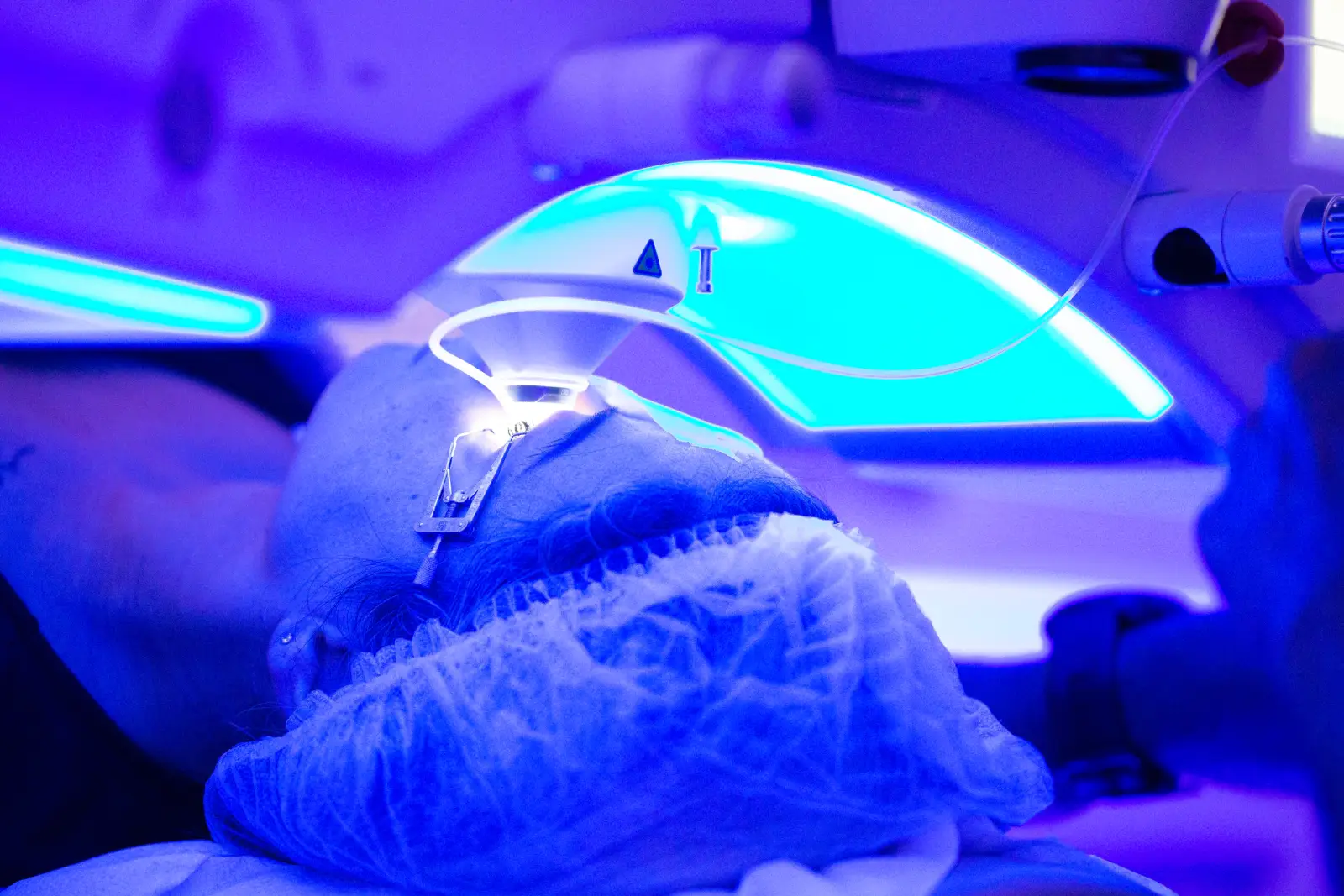
Does an HSA cover laser eye surgery?
Laser eye surgery is listed by the Canada Revenue Agency as an eligible medical expense when the amount is paid to a medical practitioner or a public or licensed private hospital.
This means a CRA-compliant HSA may reimburse eligible laser vision-correction expenses. However, coverage still depends on the wording of your benefit plan.
Potentially eligible procedures may include:
- LASIK laser eye surgery
- SMILE or SMILE Pro
- PRK
- Certain medically eligible lens-based procedures
- ICL vision correction
A procedure being recognized as a medical expense by the CRA does not guarantee that your administrator will approve every related charge. Financing fees, missed-appointment charges, travel, optional products and other costs may be treated differently.
Can an HSA make vision correction tax-free?
An eligible reimbursement through a qualifying employer PHSP is generally not treated as taxable income for an Ontario employee. This can make an HSA more efficient than paying the same amount from after-tax income.
The CRA’s employer guidance explains that medical expenses paid under a qualifying PHSP are not taxable employee benefits.
However, “tax-free vision correction” needs careful explanation:
- The treatment itself does not become free.
- Your HSA balance may cover only part of the cost.
- Your plan must qualify and approve the expense.
- A wellness account may be taxable.
- You cannot claim a tax credit for an amount already reimbursed.
- Tax treatment can depend on your employment and plan structure.
Patients should confirm their circumstances with their plan administrator or a qualified tax professional.
Health account versus wellness account
A Health Spending Account and a Wellness Spending Account are not interchangeable.
| Account | Typical purpose | General tax treatment |
| Health Spending Account | Eligible medical and dental expenses | Reimbursements may be non-taxable under a qualifying PHSP |
| Wellness Spending Account | Fitness, lifestyle, ergonomic or broader wellness costs | Reimbursements are commonly treated as taxable benefits |
| Flexible benefits account | Lets employees allocate credits among available benefits | Depends on where the credits are allocated |
Some corporate wellness programs may include vision-related support, but you should not assume they will cover elective surgery. Ask whether the reimbursement will come from the health portion or the taxable wellness portion.

What should you check before booking?
Contact your HR department or benefit administrator and ask these questions:
- Is laser vision correction eligible under my plan?
- Which procedures are included?
- Does the clinic or surgeon need to meet specific licensing requirements?
- How much is currently available in my account??
- Does the available amount include pending claims?
- Must the procedure occur before the plan-year deadline?
- Is eligibility based on the payment date or service date?
- Do I need pre-authorization or a treatment estimate?
- Which receipt and medical documents are required?
- How long do I have to submit the claim?
- Can unused credits carry forward?
- Can I coordinate the expense with a spouse’s plan?
Keep the written response with your benefit records. It can prevent confusion after the procedure has been completed.
Why year-end planning matters
Some benefit accounts reset at the end of the calendar year. Others follow an employer’s fiscal or plan year. Depending on the plan, unused credits may expire, carry forward for a limited period or remain available only for claims from an earlier service date.
Do not wait until the final week of December to investigate your options. Vision correction usually requires more than selecting a date.
The process may include:
- Reviewing your benefit balance.
- Confirming procedure eligibility.
- Completing a detailed eye assessment.
- Determining whether you are a candidate.
- Comparing appropriate procedure options.
- Receiving an estimate.
- Scheduling surgery.
- Collecting the correct receipt.
- Submitting the benefit claim before its deadline.
A consultation does not guarantee that surgery can or should take place before year-end. Clinical suitability and safe scheduling must come before a benefit deadline.
Explore Lumea’s vision-correction procedures to understand the options that may be discussed during an assessment.
An illustrative HSA planning example
Suppose an Ontario employee is considering a procedure costing $4,000 and has $1,500 remaining in an eligible HSA.
If the plan approves the procedure, the employee may receive up to $1,500 from the account. The remaining $2,500 would still need to be paid through another approved benefit, financing or personal funds.
If a spouse’s benefit plan offers eligible coordination, part of the remaining balance might also qualify. This depends entirely on both plans.
Only the amount that was not reimbursed may potentially be considered for the Medical Expense Tax Credit. Eligibility for that credit depends on CRA rules, income-related thresholds and the selected claim period.
This example is for planning purposes. It is not a coverage guarantee or personal tax calculation.
Can you claim the remaining cost on your tax return?
If an eligible medical expense is not reimbursed, you may be able to include the remaining amount when calculating the Medical Expense Tax Credit.
The credit is not the same as receiving the entire expense back. Its value depends on factors such as:
- Your eligible medical expenses.
- Your net income.
- The 12-month period selected.
- Expenses claimed for a spouse or eligible dependant.
- Provincial and federal tax rules.
Keep detailed receipts showing the patient, provider, procedure, payment date and amount. Do not include an amount already reimbursed by an HSA or insurance plan.
A tax professional can help determine how the credit applies to your situation.
Start with clinical suitability, not available credits
An unused HSA balance should not determine which procedure you choose. Vision correction must be based on your eyes, health, prescription, lifestyle and expectations.
At Lumea, the consultation process is used to assess whether vision correction may be suitable and which option may fit the patient’s needs.
A person interested in LASIK may be better suited to SMILE, PRK, ICL or no surgery at all. The financial plan should be developed only after the clinical options are understood.
A practical year-end checklist
Before using health benefits for vision correction:
- Review your plan-year deadline.
- Confirm your remaining health-account balance.
- Ask whether laser eye surgery is eligible.
- Request pre-authorization when available.
- Confirm whether the service or payment date controls eligibility.
- Ask what documentation must appear on the receipt.
- Complete a proper candidacy assessment.
- Avoid choosing a procedure only because credits may expire.
- Submit the claim before the plan’s deadline.
- Keep receipts and reimbursement statements for tax records.
Take the next step before your benefits expire
If you have unused health benefits, begin by confirming the rules with your administrator. Then arrange a clinical assessment rather than assuming that a specific procedure is right for you.
Request a vision-correction consultation to discuss your eyes, treatment options and the documentation you may need for your benefit provider.
Frequently asked questions
Can I use an HSA to pay for LASIK in Ontario?
Many CRA-compliant Health Spending Accounts may reimburse eligible LASIK expenses. Your benefit administrator must confirm your available balance and plan requirements.
Can an HSA cover the entire procedure?
It can cover the procedure only up to the available eligible balance and any limits imposed by the plan. Patients are responsible for costs that are not reimbursed.
Can I use my spouse’s HSA?
Some plans allow expenses for eligible spouses and dependants. Coordination between plans may also be possible. Confirm the rules with both benefit providers.
Do HSA credits expire on December 31?
Not always. Some accounts follow the calendar year, while others use a different plan year. Carry-forward and submission rules vary.
Can I claim reimbursed surgery costs on my tax return?
No. You generally cannot claim the portion already reimbursed. An eligible unreimbursed balance may qualify under applicable CRA rules.
Does a wellness benefit cover vision correction?
Possibly, but wellness accounts differ from HSAs and are commonly taxable. Confirm the eligible categories and tax treatment with your employer.