Soccer, clear vision, and the World Cup coming to Toronto
The World Cup is coming to Toronto, and the city is getting ready for one of the biggest sporting moments it has ever hosted.
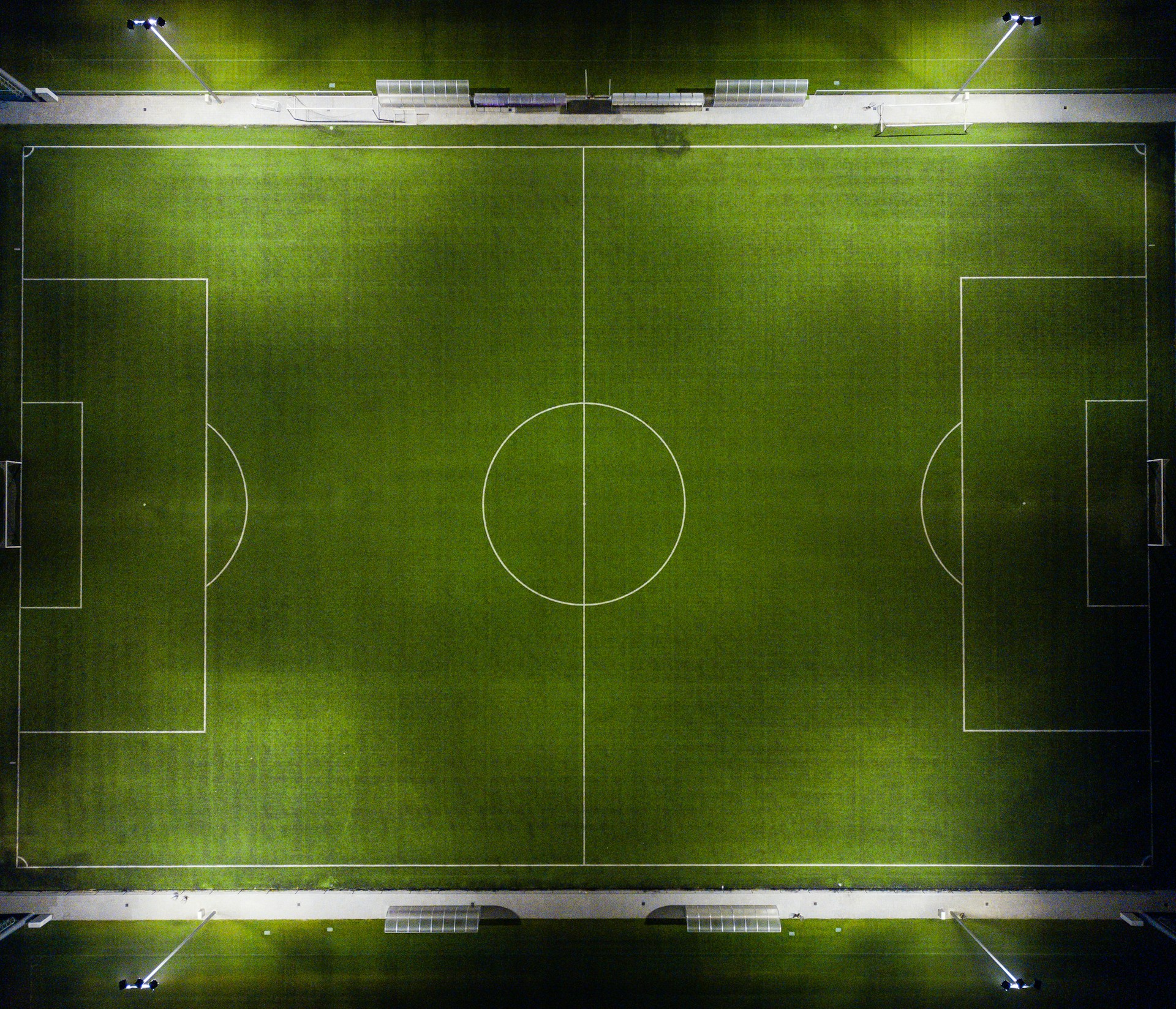
For soccer fans, it is exciting. For players, it is also a reminder of something simple: soccer is a visual game.
A player needs to track the ball, read movement, judge distance, scan the field, and react in a split second. Whether you are a goalkeeper facing a shot through traffic, a midfielder looking for a passing lane, or a forward timing a run behind the defence, clear vision matters.
At Lumea, this conversation feels especially close to home. Our Toronto clinic is located at The Well on Front Street West, near King West, Liberty Village, the waterfront, and the World Cup energy around Exhibition Place.
As Toronto gets ready to welcome the world’s biggest soccer event, it is a perfect time to talk about vision, soccer, and why many players look for freedom from glasses and contact lenses.
Why soccer players care so much about vision
Soccer moves quickly.
The ball can change direction in a second. A defender can close space fast. A goalkeeper may have only a moment to react. A midfielder has to scan before the pass arrives.
For players who wear glasses or contacts, the game can come with extra challenges.
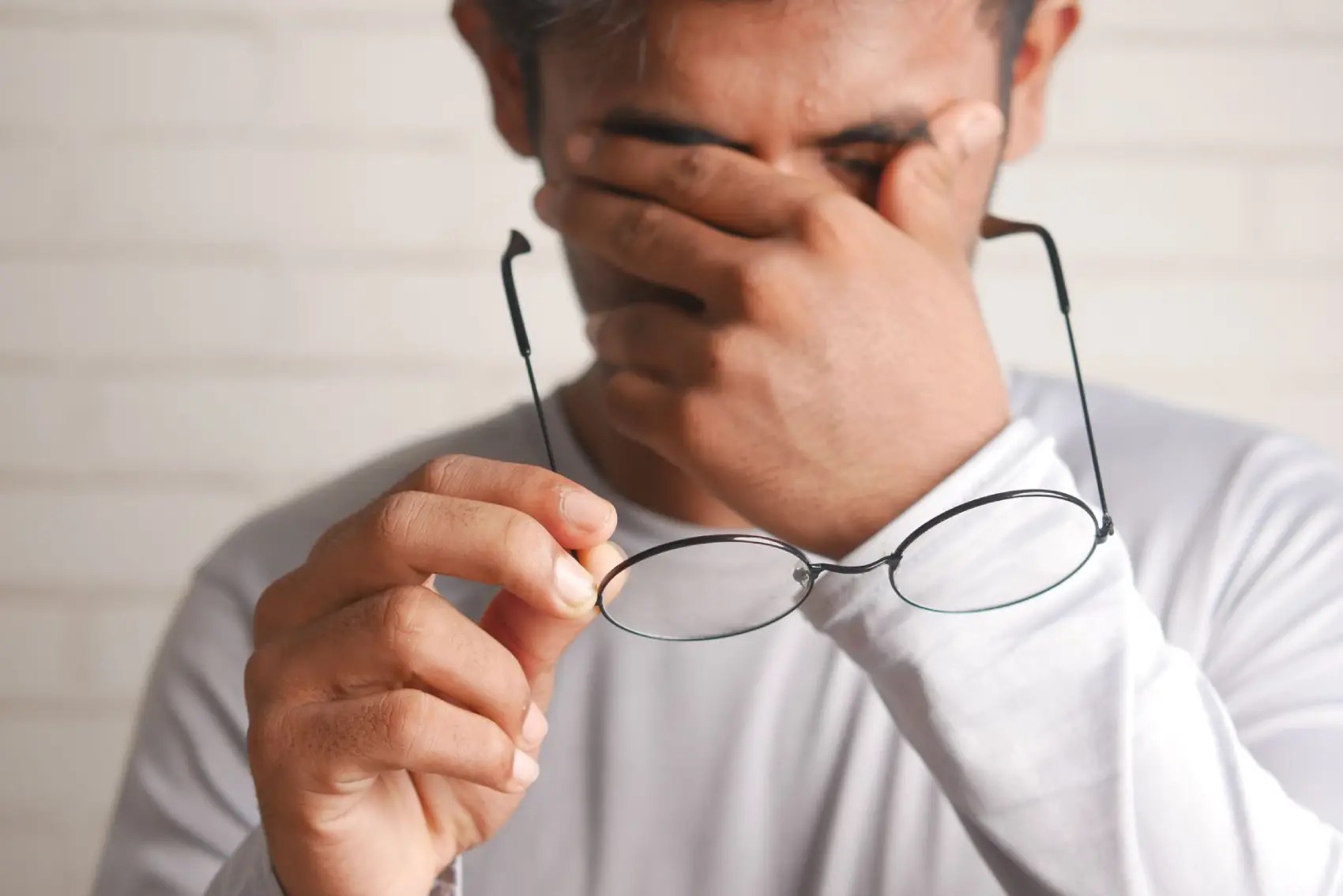
Glasses can slip, fog, break, or get in the way during physical play. Contact lenses are more practical, but they can dry out, shift, irritate the eyes, or become uncomfortable during a long match.
That is why many athletes consider vision correction. They want to focus on the game, not on their eyewear.
Famous soccer players and the vision correction conversation
Vision correction has come up many times in professional soccer. These stories show how important clear vision can be at the highest level of the game.
Cristiano Ronaldo
Cristiano Ronaldo is one of the most famous soccer players in history. Some eye-care sources have reported that he underwent laser surgery to correct myopia.
Whether discussing Ronaldo specifically or elite forwards in general, the vision connection is easy to understand. A forward needs to read defenders, track the goalkeeper, judge space, and react instantly when a chance appears.
At that level, visual clarity can support confidence, timing, and decision-making.
Mario Balotelli
Mario Balotelli, known for his time with Manchester City, AC Milan, Inter Milan, Liverpool, and the Italian national team, was publicly reported to have laser eye surgery after years of contact lens use.
For a striker, clear vision matters in every attacking moment: timing a run, reacting inside the box, reading the goalkeeper, and finishing under pressure.
David de Gea
David de Gea, one of the most recognized goalkeepers of his generation, was publicly linked to contact lens use and discussions around laser eye surgery early in his Manchester United career.
For a goalkeeper, vision is critical. A keeper has to track crosses, follow fast shots, judge distance, read deflections, and react in a fraction of a second.
Neymar Jr.
Neymar Jr. is often mentioned in online discussions about soccer players and laser eye surgery.
His playing style shows exactly why vision matters in soccer. Close control, quick dribbling, one-on-one movement, and creative passing all depend on awareness, timing, and sharp visual judgment.
Andrea Pirlo
Andrea Pirlo built his career on vision. His game was about scanning the field, controlling tempo, finding passing lanes, and seeing options before other players could.
For midfielders, eyesight is not only about seeing the ball. It is about reading the whole field.
Kaká
Kaká, the Brazilian Ballon d’Or winner, has also been linked in secondary sources to eye surgery and vision correction.
His style of play was built on speed, awareness, and movement through space. For an attacking midfielder, clear vision supports passing, dribbling, shooting, and reading defenders while moving at pace.
Rio Ferdinand
Rio Ferdinand is often mentioned in conversations about laser vision correction.
For defenders, clear vision supports positioning, anticipation, long-ball tracking, aerial duels, and reading the movement of attackers. In a physical role, timing and awareness are everything.
Lucy Bronze
Lucy Bronze has spoken publicly about vision correction, although her reported procedure was ICL rather than SMILE or LASIK.
Her story still belongs in the soccer vision conversation because it highlights the same issue many athletes face: contact lenses can become frustrating during training, travel, and competition.
What these players show us
Not every player has the same eyes. Not every player has the same procedure. And not every soccer player needs surgery.
But these examples show one important point: at the highest level of soccer, vision matters.
Professional players do not want distractions. They do not want dry contacts, shifting lenses, fogged glasses, or anything that makes it harder to stay focused on the game.
The same is true for recreational players, club players, students, coaches, and weekend athletes across Toronto and the GTA.
Why SMILE may be especially interesting for soccer players
For many soccer players, SMILE may be a strong option to discuss because it is a flap-free laser vision correction procedure.
That matters because soccer is a contact sport. Players can be hit by the ball, bumped by an opponent, caught by an elbow, or involved in accidental contact during headers, tackles, and fast play.
LASIK has helped many people reduce dependence on glasses and contact lenses, but LASIK involves creating a corneal flap. SMILE does not create that same flap.
For soccer players, that flap-free difference can make SMILE an appealing conversation to have during a consultation.
The goal is not to say every player should choose SMILE. The goal is to find the safest and most appropriate option for each person’s eyes, lifestyle, and sport.
Toronto soccer is about to get even bigger
Toronto already has a strong soccer culture. You can feel it in local leagues, indoor facilities, youth clubs, school teams, community fields, sports bars, and weekend pickup games across the city.
With the World Cup coming to Toronto, that energy is only going to grow.
Matches, fans, watch parties, and international attention will bring soccer into the centre of the city. Around Exhibition Place, Liberty Village, King West, the waterfront, and downtown Toronto, the excitement will be hard to miss.
For Lumea, located at The Well on Front Street West, this is more than a sports story. It is happening right in our neighbourhood.
You do not have to be a pro to want clearer vision
Most people reading this are not playing in the World Cup. But that does not make vision less important.
You may play in a Toronto rec league.
You may coach your child’s team.
You may play indoor soccer in the winter.
You may train seriously on weekends.
You may just want to enjoy the game without glasses or contacts getting in the way.
For many people, the benefit of vision correction is not only about sport. It is about daily freedom.
Waking up and seeing more clearly.
Going to the gym without glasses.
Travelling without contact lens solution.
Playing soccer without worrying about a lens drying out.
Watching the match without reaching for glasses.
That is the lifestyle side of vision correction.
Final thoughts
Soccer is a game of movement, speed, awareness, and reaction. Vision is part of every pass, shot, save, tackle, and run.
As the World Cup comes to Toronto, it is the perfect time to think about how much clear vision matters, not only for professional players, but for anyone who loves the game.
Famous soccer players have helped bring attention to the role of vision correction in sport. But the bigger story is simple: many athletes and active people want freedom from glasses and contacts.
For soccer players, SMILE may be especially worth discussing because it is flap-free and may be well suited to the demands of a contact sport.
If you are a soccer player, coach, fan, or active person in Toronto, Vaughan, Barrie, or anywhere in the GTA, Lumea can help you explore your options.
Start with a consultation and find out whether SMILE or another vision correction procedure may be right for you.
Frequently asked questions
Why do soccer players consider vision correction?
Soccer players often consider vision correction because glasses can get in the way and contact lenses can dry out, shift, or become uncomfortable during play.
Is SMILE good for soccer players?
SMILE may be a good option for some soccer players because it is flap-free. Since soccer involves physical contact and accidental impact, this can be an important point to discuss during a free consultation.
Is SMILE better than LASIK for soccer?
SMILE may be preferred for some soccer players because it does not create a LASIK-style corneal flap. However, the best procedure depends on the person’s eyes, prescription, corneal thickness, and overall suitability.
Did famous soccer players have laser eye surgery?
Several famous soccer players have been publicly linked to vision correction or laser eye surgery discussions, including Mario Balotelli, David de Gea, Cristiano Ronaldo, Neymar Jr., Andrea Pirlo, Kaká, Rio Ferdinand, and Lucy Bronze. Some reports are stronger than others, so these examples should be understood as part of the broader soccer vision conversation.
Can I get vision correction before the World Cup in Toronto?
If you are interested in vision correction before a major event or soccer season, it is best to plan early. You will need time for testing, treatment planning, recovery, and follow-up care.
Where is Lumea’s Toronto clinic?
Lumea’s Toronto clinic is located at The Well, 486 Front Street West, Unit SF43, in downtown Toronto.