
Many people think struggling to read is just “getting old,” but this vision change has a real name: presbyopia. It’s different from farsightedness and happens to nearly everyone. To clear up any confusion, we’ve gathered everything you need to know about presbyopia. You might be surprised by the modern solutions that are now available.
What is Presbyopia?
Presbyopia is a normal part of aging that makes it harder to see things up close. It is a natural focusing issue that usually starts to happen for people around age 40.
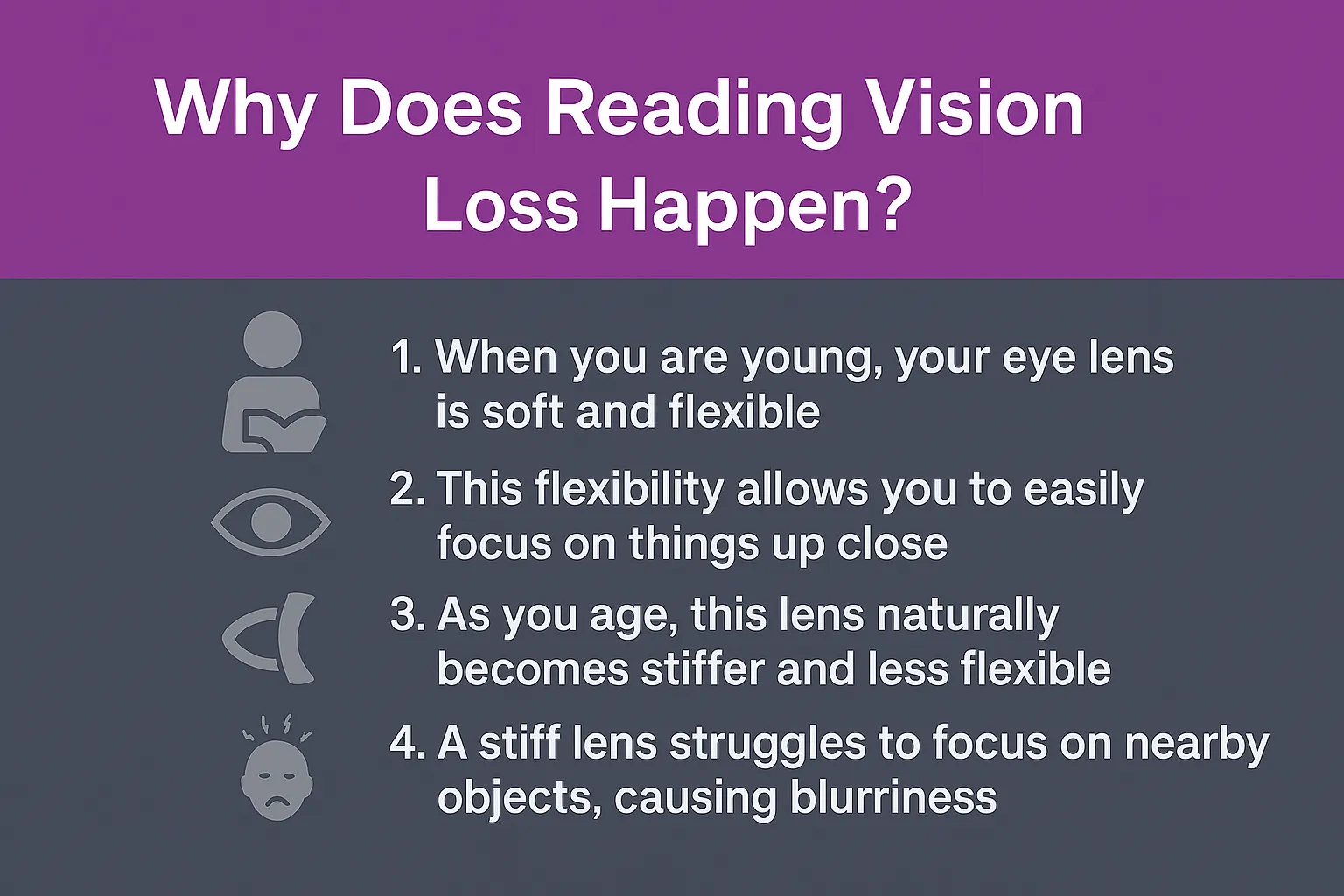
Think of the lens inside your eye like a small camera lens that can change shape to focus. When you’re young, this lens is soft and flexible. But as you get older, it slowly becomes stiffer and less able to bend.
This makes it tough to focus on nearby objects, like a book or your phone. It is important to know that this condition is not the same as being farsighted, as they have different causes. Thankfully, modern vision solutions are available right here at Lumea.
Common Signs and Symptoms of Presbyopia
When your near vision starts to change, you may notice a few common signs, such as:
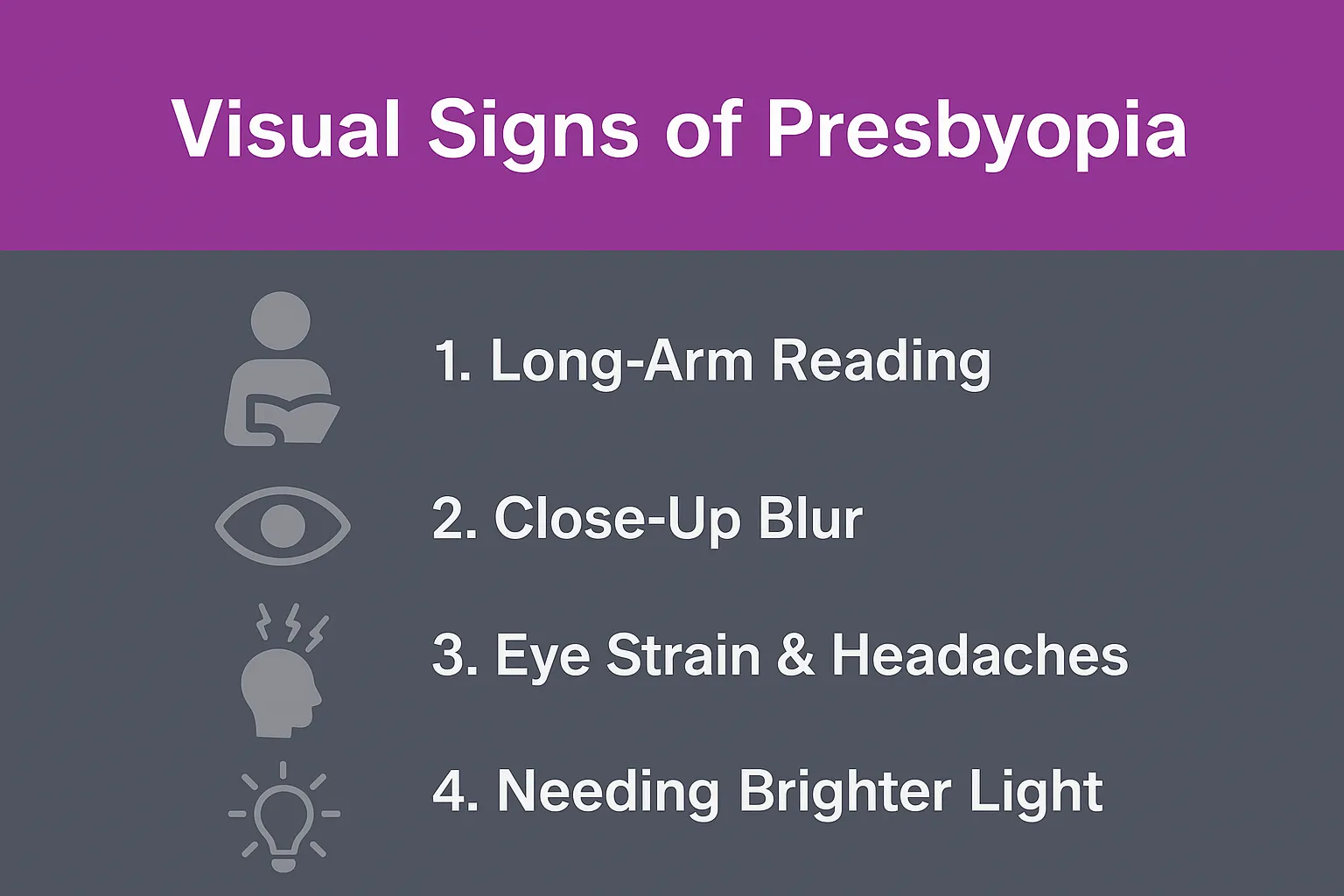
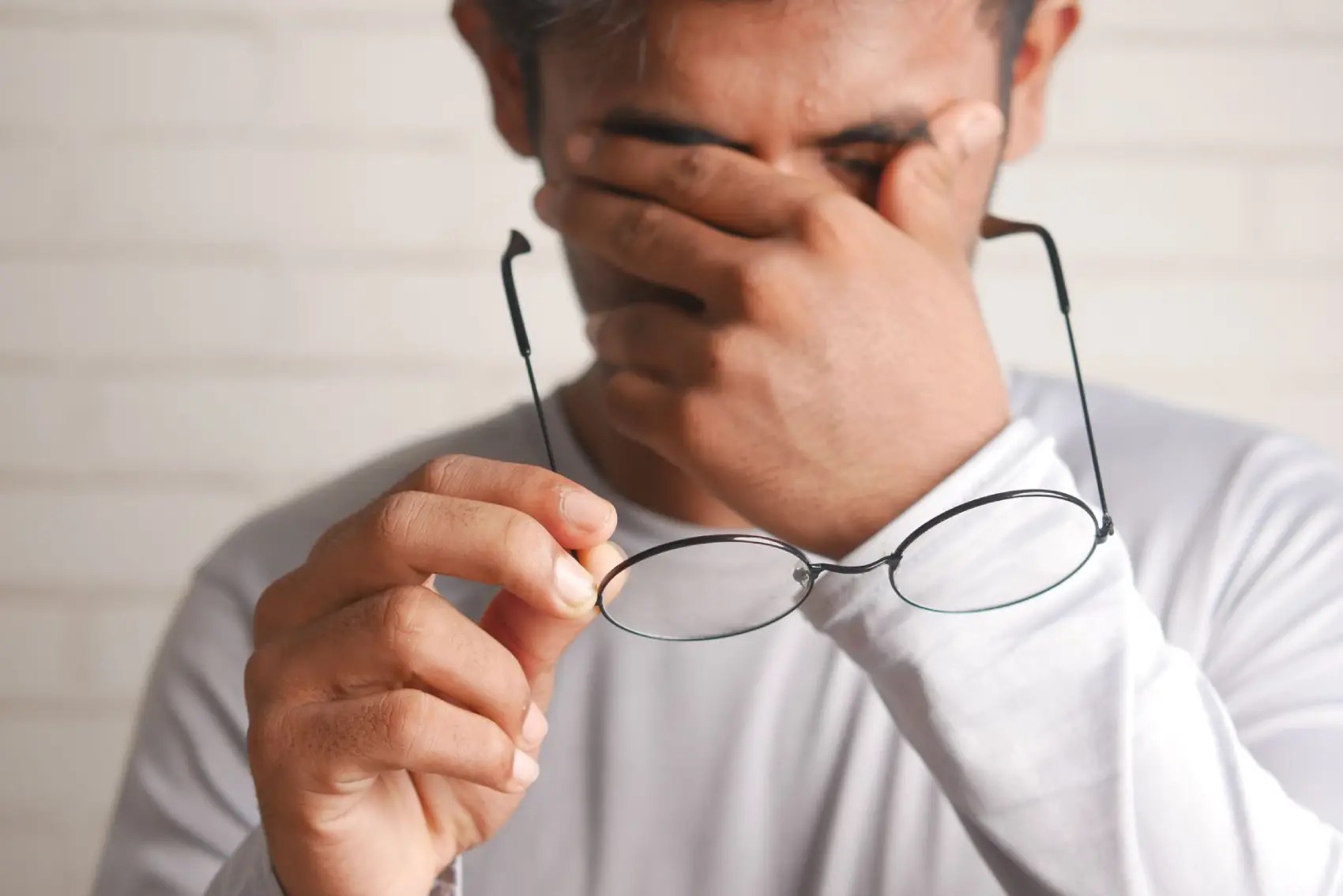
- You need to hold books, phones, or menus at arm’s length to see them clearly.
- Words look blurry when you try to read at a normal distance.
- You get headaches or your eyes feel tired after reading.
- You find yourself needing brighter light to read things comfortably.
If these signs sound familiar, it might be a good time to visit your optometrist for an assessment. They can help you understand what’s happening with your vision.
Why Does Reading Vision Loss Happen?
The cause of this age-related eye change is very natural. It happens because the lens inside your eye changes over time.
How is Presbyopia Treated?
The good news is that you have many options. It starts with simple solutions and goes all the way to modern surgical procedures.
Non-Surgical Options
The most common first steps are things you probably see every day. These include simple reading glasses, bifocals, or special contact lenses. They work well for many people.
Surgical Treatment Options
For a more permanent solution, there are surgical treatments that can reduce or even eliminate the need for reading glasses.
One option to consider is Presbyond LASIK. This is a special type of laser treatment designed specifically for this condition. It adjusts each eye a little differently so you can see clearly at all distances.
Another long-term option is lens replacement surgery, where the stiff natural lens is replaced with a new artificial lens. This is known as RLE (Refractive Lens Exchange).
Finding the Right Treatment for You
The right solution depends on your age, lifestyle, and overall eye health. While this age-related change happens to everyone, you don’t have to live with the frustration of blurry near vision.
Modern treatments can help keep your vision clear and comfortable for years to come. A personalized consultation can help determine the option that’s best for you.
We hope this guide has provided everything you need to know about presbyopia in one simple guide.
Frequently Asked Questions
Can you prevent presbyopia?
No, you can’t prevent it. It is a natural part of aging that can happen to everyone.
Does LASIK fix this focusing issue?
Traditional LASIK is for distance vision. However, special techniques like Presbyond LASIK are designed specifically for presbyopia.
When should I get my eyes checked for presbyopia?
Adults should have a comprehensive eye exam every 1-2 years. Your optometrist can spot changes before you notice symptoms, helping to maintain your vision.