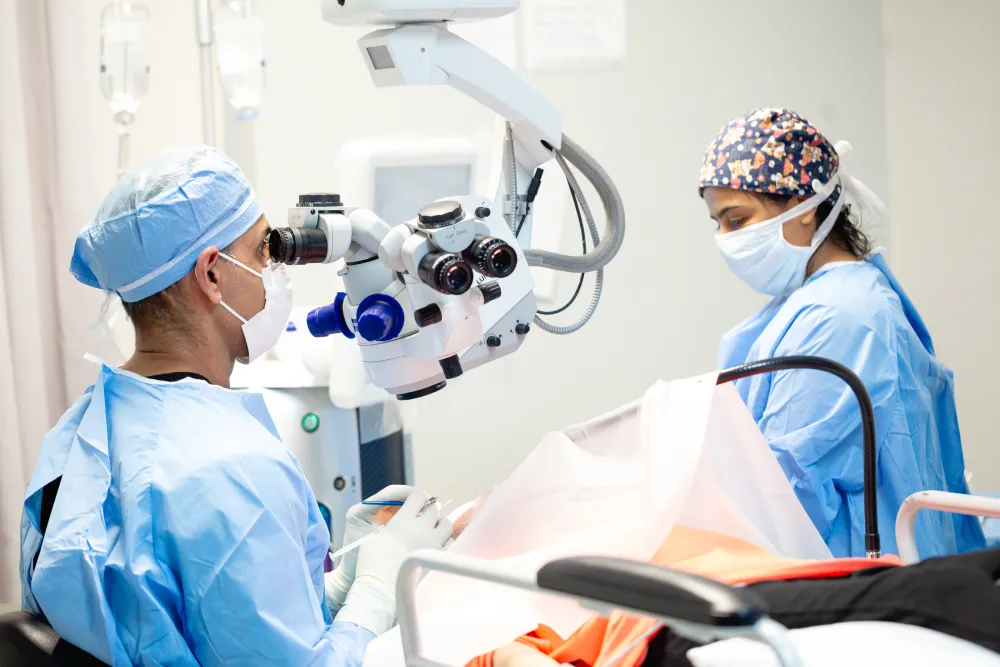

Cataract surgery can be a life-changing experience, restoring clarity and vibrancy to your vision. Choosing the right IOL is a clinical decision that hinges on your lifestyle and visual needs. If you want to reduce your use of glasses entirely, consider toric or presbyopia-correcting options. Patients may also benefit from reviewing an ICL vs IOL comparison to understand the full range of lens-based vision correction.
Understanding Intraocular Lenses (IOLs)
Not all lenses are equal. Each type of intraocular lens caters to different visual preferences. For patients who do not yet have cataracts but seek similar results, Refractive Lens Exchange (RLE) is an alternative that uses the same lens technology to correct high prescriptions.
Monofocal Lenses: The Classic Choice
Monofocal lenses are designed to provide clear vision at one specific distance—either near or far.
This means you will need to decide what matters most to you:
Distant Vision: If you correct your distance vision with a monofocal lens, you’ll enjoy crisp, clear sight while driving, watching movies, or engaging in outdoor activities. However, you may need to wear reading glasses for close-up tasks like reading a book or using your smartphone.
Near Vision: Opting for a monofocal lens that corrects your near vision is ideal for those who work with their hands, enjoy reading, or spend much time on the computer. You’ll be able to see up close, but you might need to wear glasses for distance vision when driving or watching TV.
Imagine driving without fumbling for your glasses—monofocal lenses can help you achieve that! It’s prioritizing your visual needs and deciding which distance is more important for your lifestyle.
Toric Lenses: For Astigmatism Relief
If you struggle with astigmatism, toric lenses could be your best bet. These lenses are specially designed to correct the irregular shape of your cornea, providing sharper vision across all distances. Say goodbye to blurry edges and hello to crisp, clear sights! Toric lenses can significantly improve your overall vision quality, reducing the need for additional corrective lenses.
Presbyopia-Correcting Lenses: Multifocal or EDOF Marvels
To achieve near, intermediate, and far vision, presbyopia-correcting lenses are the way to go. Also known as multifocal or extended-depth-of-focus lenses, they allow you to see clearly without constantly reaching for your glasses. Imagine reading a book, checking your phone, and driving—all without the hassle of switching glasses! These advanced lenses divide (multifocals) or stretch (EDOFs) light into multiple focal points, enabling you to focus on objects at various distances.
Making Your Choice of Intraocular Lens
Choosing the right IOL is a personal decision that hinges on your unique lifestyle and visual needs:
Comfort with Glasses: If you’re okay with wearing glasses after surgery for tasks like reading or using the computer, monofocal lenses suit you perfectly. They provide clear vision at a single distance, allowing you to use corrective lenses for the other distance as needed.
Desire for Freedom: If you want to minimize your use of glasses entirely and enjoy clear vision at multiple distances, consider toric or presbyopia-correcting options. These lenses can significantly reduce your reliance on glasses, making daily activities more convenient and hassle-free.
Visual Tolerance: Understand that some lenses may cause initial visual disturbances like halos or glare around lights. Other temporary side effects, such as dry eye management, should be discussed with your surgeon to ensure the ocular surface is optimized for the best results.
Insurance Considerations
Understanding your insurance coverage may also be a factor in your IOL decision-making process. While coverage varies, here’s what you can typically expect:
Monofocal Lenses: Fully covered by many insurance plans, making them a more affordable option for many patients.
Toric and Presbyopia-Correcting Lenses: These are often considered premium options and may require additional out-of-pocket expenses. The exact costs can vary depending on your insurance plan and the lens you choose.
Discussing these financial implications with your healthcare provider is essential so there are no surprises down the line. Your surgeon can provide you with a clear understanding of the costs of each lens option, allowing you to make an informed decision that fits your budget.
Empower Yourself with Knowledge
Before undergoing cataract surgery, take the time to engage in meaningful conversations with your eye surgeon. They should provide comprehensive insights into the surgical procedure and lens options available, answer any questions, and help you understand the pros and cons of each choice. By understanding your choices thoroughly, you empower yourself to make an informed decision that aligns perfectly with your vision goals.
Choosing the right intraocular lens is a step toward improved vision. Discussing these options with your healthcare provider ensures an informed decision. To determine which lens fits your budget and vision goals, we recommend a professional candidacy assessment. For further information or to schedule a consultation, please contact us.